


The world is more digitally connected than ever, and that connectivity fuels demand for online content. As audiences spend more time engaging with creators, the creator economy is expanding rapidly. In fact, Goldman Sachs estimates the global creator economy could reach $480 billion by 2027.
This leads us to ask: Are content creators entrepreneurs? And what makes them different to influencers?
This guide unpacks the key differences between an influencer and a content creator running a business. We’ll also explain how many content creators act as entrepreneurs. Whether you’re a blogger, vlogger, TikToker, or podcaster, discover how to turn your passion into a scalable business.
Key takeaways
- Creator entrepreneurs earn a reliable income by diversifying revenue streams, such as products, sponsorships, subscriptions, and digital services.
- The shift from creator to entrepreneur is based on intent – treating content as a scalable business strategy.
- Once UK creators earn over £1,000 annually, HMRC classifies them as trading and eligible for business taxes.
What is a content creator?
A content creator is someone who shares original work online to build an audience. Over time, many turn that audience into a personal brand. They do this by focusing on a niche, producing consistent material across platforms, and finding ways to monetise, from sponsorships and subscriptions to digital products and services.
Their work is usually value-driven. Sometimes, it’s educational, helping audiences learn a skill or gain knowledge. Other times, it’s entertaining, offering humour, inspiration, or storytelling.

British creator-turned-entrepreneur Hope Batchelor explains that the key is choosing a niche you’ll never tire of: “Finding something you’re excited to pick up the camera and film daily is key… your passion comes through the screen more than you realise.”
Is a content creator considered an entrepreneur?
When creators consistently produce content for a defined audience to earn long-term revenue and grow a business, they act as entrepreneurs.
The terms “influencer” and “content creator” are often blurred, but the distinction matters. Influencers typically earn money by promoting other people’s products or services. On the other hand, creator entrepreneurs build equity in their brands by launching products, services, and businesses they fully own and control.
Molly-Mae Hague exemplifies the distinction between influencers and creator entrepreneurs. Initially rising to fame as a social media influencer following her appearance on the UK version of Love Island in 2019, Molly-Mae has since transitioned into content entrepreneurship.
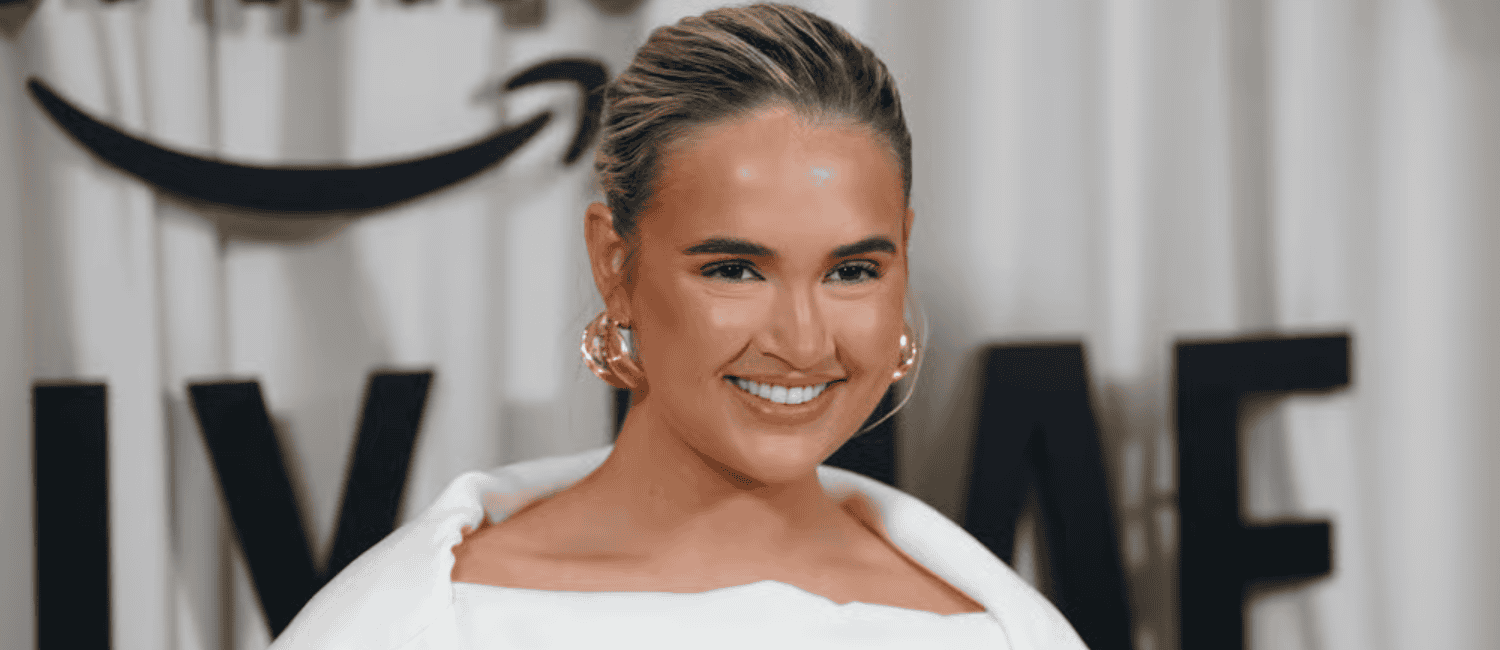
She has moved away from sponsored posts and brand partnerships – a hallmark of influencer marketing – to take a strategic, brand ownership-driven approach, launching her own self-tanning brand, Filter by Molly-Mae™ and maebe, a fashion brand born out of inspiration from her community.
This move reflects a broader transition that many content creators are making towards building and scaling their own brands with a focus on value-led content fueled by originality and community.
Here is a quick comparison table highlighting the differences between these two roles:
| Content creators | Creators who are now entrepreneurs |
|---|---|
| Create content for self-expression | Create content as part of a broader business strategy |
| Income is generally opportunistic | Develop intentional, diversified revenue streams |
| Engage with audience for influence | Build long-term trust with value-driven content |
| May experiment with platforms | Focus on one platform before growing strategically |
| Treat content as posts for consumption | Treat content as evergreen assets that build authority |
Unlike influencers, whose authenticity is often questioned, content creator entrepreneurs focus on transparency and delivering real value.
In fact, findings published by Bazaarvoice revealed that 54% of consumers believe that influencer content misrepresents real life, and 55% see it as overly materialistic. This is why audiences turn to creators who feel genuine and helpful, rather than those who only post polished promotions.
How do YouTubers and podcasters build real businesses?
YouTubers and podcasters are content creators, and many successful ones are also entrepreneurs. They produce content to engage with their audiences while actively building their brand and a sustainable business.
This trend is part of a much wider movement. According to a recent Adobe study, more than 165 million people have joined the global creator economy since 2020, and videography was among the most popular content categories.
- An introduction to TikTok for small businesses
- Are you financially ready to go full-time on your business?
- Getting started with LinkedIn for small businesses
While many still treat content creation as a hobby, 48% earn some income from their creative activities, and 17% have turned it into a fully-fledged business. Nearly 40% hope to do the same, marking a strong link between creative output and entrepreneurial opportunity in the digital economy.
This shift reflects a growing number of creators who approach their work with an entrepreneurial mindset, looking beyond likes and views to long-term growth and sustainable income.
When does HMRC consider you a creator entrepreneur?
Taxation is another way to distinguish between casual creators and creator entrepreneurs. In the UK, you must tell HMRC about any additional income over £1,000, including from YouTube, TikTok, podcasting, or other digital channels.


Once you exceed that threshold, you’re classed as ‘trading’. Essentially, running a business. This means you may need to register as self-employed and start filing a Self Assessment tax return.
In other words, when your content earns real income repeatedly, you’re a business owner in the eyes of HMRC.
How do creator entrepreneurs make money?
Creator entrepreneurs make money by developing multiple, consistent income streams that align with their audience and expertise. These include:
- Subscription models, such as Patreon or paid newsletters for exclusive content
- Brand and sponsorship deals with companies targeting their niche
- Selling digital and physical products, such as e-books and merchandise
- Affiliate efforts and networks that generate passive returns through content interaction
- Online courses and media appearances to monetise their knowledge and authority
By diversifying their earnings, creator entrepreneurs build sustainable, scalable businesses around their content.
Hope Batchelor, UK content creator-turned-entrepreneur
Hope Batchelor, best known for her appearance on BBC’s MasterChef 2023, is a rising creator entrepreneur who turned her passion for food into a full-time business in under three years.
Where it all started
She began sharing food-focused content on Instagram during the 2020 lockdowns, starting with simple bakes and progressing to her now-signature gourmet toasts, which have become central to her brand identity and content marketing.
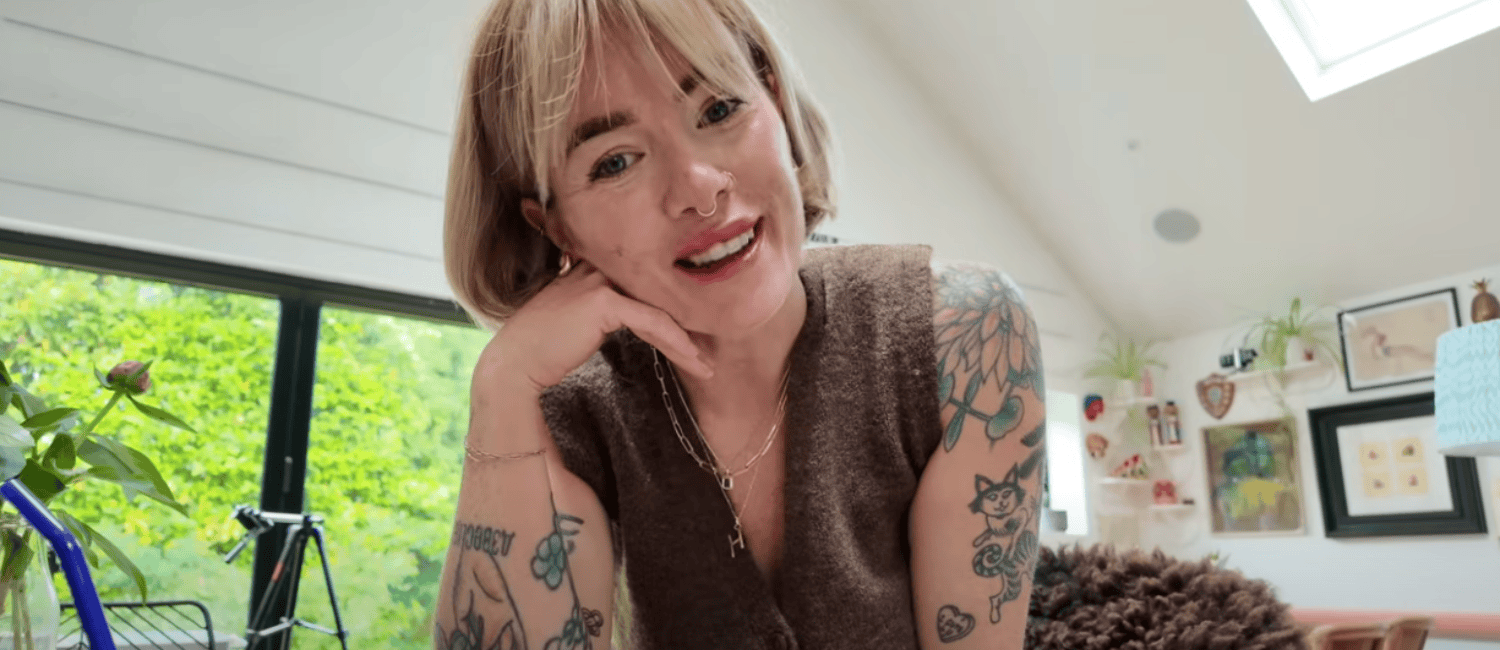
Hope’s initial following grew organically thanks to her authentic and down-to-earth tone, distinguishing her from more polished food influencers. Her farmhouse-style presentation and comforting food themes created instant relatability.
Scaling across Instagram and TikTok
Since launching her digital brand, Hope has grown her Instagram following from just under 5,000 in early 2022 to over 33,000 in June 2025, more than a 560% increase in just three years. Her consistent use of Instagram Reels and Stories allowed her to reach food-loving audiences across the UK and beyond.
Her TikTok channel (launched in late 2022) has also gained significant traction – at the time of writing, it has 142.6k followers. Hope’s short-form cooking videos and relatable “kitchen fails” have been especially popular, allowing her to engage with Gen-Z users and expand her omnichannel presence.
Hope’s business model and collaborations
With increasing demand for her content and growing influence in the food and lifestyle space, Hope recently quit her 9-5 and started producing digital content full-time.
As Hope puts it, leaving her job was a calculated decision rather than a leap of faith:
Before that, I was so scared of losing my 9–5 in any capacity… but after so many conversations with people in varied situations and life stages, it made me really consider: ‘What’s the worst that can happen?’ And the answer is usually never going to actually happen. That, along with knowing my finances were heading in the right direction, gave me the confidence to take the plunge.
Here’s a look inside her new life as a creator entrepreneur:
Hope has partnered with numerous complementary brands, such as George at Asda, Waitrose, and Lakeland. She’s deliberate about these choices, explaining, “Authenticity is key for me. I will never accept a job with a brand that I wouldn’t genuinely use myself.” This selective approach has allowed her to build trust with her audience while generating a well-rounded income from paid partnerships, affiliate marketing, exclusive cooking tips, guest appearances, and self-published e-books.
Can I start a business as a content creator in the UK?
Absolutely. Many content creators, like Hope, have become sole traders (self-employed) in the UK. Many go on to register as limited companies. Once sales become regular or large-scale, formalising your operations offers legal, financial, and reputational advantages.
Steps to business registration
If you’ve ticked the above boxes and are ready to commit to content creation full-time, here’s how to do it in three steps:
1. Choose a business structure
Decide whether to operate as a sole trader or form a limited company. Setting up as a sole trader means you’re self-employed, and no registration is necessary. However, you’ll be personally liable for all business debts.
Meanwhile, a limited company provides limited liability protection, stronger credibility, and tax advantages, but comes with several directors’ responsibilities.
Wondering how to decide on the best legal structure for your business? Discover tips and advice in our blog articles, such as sole traders versus limited companies.
2. Register your company
If you choose to register a limited company, take the hassle out of setup by registering with 1st Formations. All you need is a compliant company name and basic company and officer details (where is the company registered, and who will own and run it?).
We’ll review your application for errors before sending it to Companies House. Companies are usually registered within 24 hours.
3. Understand your responsibilities after registration
Once your business is official, make sure you stay compliant:
- Register for and pay business taxes, such as Corporation Tax and VAT (if applicable)
- File an annual Self Assessment tax return if you’re a company director and receive untaxed earnings from the company
- Know your director’s duties
The easiest way to stay compliant is through our Hassle-Free Compliance Service. Our experts will handle everything from your confirmation statements to your company registers. You will also gain access to the Business Document Template Library and receive a 50% discount on any company changes.
Signs you’re ready to become a creator entrepreneur
If several key indicators are present, you’re likely prepared to take the next step toward becoming a creator entrepreneur. First, you’re earning a consistent income from your content, demonstrating financial viability. You’ve also secured sponsorships or affiliate deals, showing that brands recognise your platform’s value.
Beyond income, you’re dedicating over 10 hours a week to content creation, treating it with serious commitment. You’re also investing in tools and services that support your growth, signalling your forward-thinking approach.
Importantly, you have a clear niche and audience, meaning you understand who you’re serving and how. And you’re setting measurable goals and actively tracking your growth, reflecting a strategic mindset typical of successful entrepreneurs.
Above all, you’re approaching the journey with resilience and enthusiasm. As Hope Batchelor puts it:
We’re all just on this large floating rock… it’s never that deep. Be the keeper of your own happiness and change things.
Strategic tips for growth
Here are five tips to help you move from hobbyist to creator entrepreneur with strategy and confidence:
Change your mindset from hobby to business
The first step is changing the way you think about your content. Focus on delivering consistent value through your work by asking: Who is my content for, and why does my audience keep coming back?


The key is to treat your content with the same discipline you’d give any job or business. It may have started as a hobby or a side project, but once you see it as a product that creates value for others, it becomes the foundation for building a business.
Clarify your personal brand
Being recognisable is just as important as being good at what you do. Clear branding makes it easier for people to describe you, share your work, and connect with what you stand for.
Define these three elements:
- Your tone of voice
- Your mission (what you help people with)
- Visual cues
Think of this cluster of elements as your brand’s north star. The answers will guide your content creation and help you build a strong identity.
Use the right tools
Innovative tools improve quality and help operations run smoothly. Consider using:
- Content planning tools like Trello or Asana to manage content tasks and stay on track
- Financial planning apps, such as Sage and QuickBooks, to measure cash flow and expenses
- Customer service systems, such as automated email, FAQs, and community platforms, to manage audience communications
The right tools turn you from a casual creator to a business owner running systems that scale.
Stay consistent and track results
Set clear goals, such as growing your audience, building your email list, or increasing revenue. Track specific measures that show whether you’re on course, then review them regularly to see what’s working.
This evidence gives you a stronger basis for decisions. Instead of chasing what feels popular now, you can focus on choices supporting long-term growth. For example, Hope takes a deliberately methodical approach to content planning and cautions creators against chasing virality if it hampers long-term goals:
Sometimes people overthink their content and try to create something elaborate just in hope they’ll go ‘viral’. But going viral can be quite negative… you can be pushed in front of an audience that doesn’t connect with you.
Build scalable revenue
It’s best not to rely solely on single-platform monetisation, as this can be unpredictable. Instead, establish multiple income sources that let you scale over time, such as brand sponsorships, digital sales, or affiliate marketing.
Community-based models like coaching and events also provide scalable turnover while deepening connections with your audience.
Turn your passion into a successful business
While many creative individuals express themselves online as a hobby, creativity transitions into entrepreneurship when you build a substantial following and expand across platforms (and offline). This marks when you have a personal brand, collaborate with other businesses, and have multiple steady revenue sources.
If you’re ready to scale from content creator to entrepreneur, make your business official with 1st Formations. Simply choose your ideal formation package and join our community of over 1 million business owners who have incorporated with us. We’ll support you with registration and legal compliance so you can focus on what you do best.





Join The Discussion