

Amazon Prime Day UK is one of the most anticipated sales events of the year. What started as a flash sale has grown into a global retail phenomenon, most recently driving over £1.3 billion in UK sales across 16th and 17th July 2024, as Adobe research reveals.
For consumers, it’s an unmissable chance to bag discounts on everything from electronics to household goods. For businesses, it’s a golden sales and marketing opportunity.
But Prime Day isn’t just for bargain hunters or large organisations. With over 60% of Amazon’s retail sales driven by SMEs, the event levels the playing field. Amazon equips small businesses with promotional tools and receives exceptionally high consumer demand, giving even early-stage sellers a chance to succeed.
Whether or not you already sell on Amazon, Prime Day UK is worth taking advantage of. Ready to learn more? We uncover what Prime Day is all about, its benefits, and how small businesses can prepare for it.
Key takeaways
- Small businesses can benefit from increased brand exposure, a sales uplift, and stronger customer relationships from Amazon Prime Day UK.
- Prepare for your first Amazon Prime Day by planning which products to discount in advance, generating excitement before the event, and ensuring you have enough stock to cover demand.
- Amazon Prime Day’s extensive reach creates momentum that even non-Amazon retailers can benefit from via strategic off-platform promotions.
What is Prime Day UK?
Amazon Prime Day is a limited-time discount event exclusive to Amazon Prime members. During this event, Amazon reduces prices on thousands of products across categories like tech, kitchenware, beauty, and everyday essentials, offering customers unbeatable offers.
- Nine of the best pricing strategies for SMEs
- Excessive online returns and how to reduce them
- 10 marketing strategies for small businesses
Prime Day originally launched as a 24-hour promotional event in 2015 to celebrate Amazon’s 20th anniversary. Since then, it has evolved into a four-day multi-billion-pound sales generator.
When is Amazon Prime Day?
In 2025, Amazon Prime Day UK runs from 8 to 11 July. Dates can vary each year, but generally, the event takes place over select days in July.
Benefits of Prime Day for small businesses
The most notable benefit of participating in Amazon Prime Day is the potential for higher sales and order values. Whether you’re an Amazon seller or an off-platform business, Prime Day lets you harness seasonal demand in multiple ways.
1. Build trust and reach new customers
Participating in Prime Day can elevate your brand by associating it with the trusted Amazon name, building consumer confidence. The event’s extensive reach is also a unique opportunity to attract new shoppers, who could become loyal customers after a positive first experience.
2. Generate excitement on social media
Use Prime Day’s momentum to engage your audience across your business’s social media channels. Strategic posts and time-sensitive promotions can help increase brand awareness and drive additional traffic to your online store.
3. Turn FOMO into sales
Prime Day’s exclusive deals tap into consumers’ fear of missing out (FOMO), creating urgency and excitement. For small businesses, this heightened sense of exclusivity can entice new customers to act quickly, drawing in those who don’t want to miss out on trending deals or popular products.


The great thing about FOMO marketing tactics is that they can be applied on and off the Amazon platform. Experiment with using them on your website, social media, and even in-store.
Managing the challenges of Prime Day UK
To maximise Prime Day’s benefits, it’s helpful to plan for a few common challenges small businesses often face during high-traffic events like this:
- Potentially high-cost – Running paid ads during peak periods can get expensive. Cost-per-click (CPC) rates can spike by over 40%, depending on the category. Setting a daily budget can help manage spending.
- Regular monitoring – It takes daily (or even hourly) monitoring to adjust budgets and maintain visibility during such busy periods.
- Pressure on smaller brands – Amazon Prime Day influences the entire retail ecosystem, both online and offline, creating pressure to participate even for non-Amazon sellers.
- Margin risk – Margin pressure may increase if you offer heavy discounts to stay competitive.
- Could damage trust – Running out of stock, delayed shipping, or order errors can lead to lost customers. Advanced forecasting can help mitigate this risk. Amazon also flags low-stock items in advance.
While these factors are worth considering, with the right preparation and resource planning, even first-time participants can make Prime Day a smart growth opportunity.
How Amazon supports small sellers during Prime Day
Amazon Prime Day can feel overwhelming and intimidating if you’ve never sold on the platform. The good news is that Amazon values small businesses and uses Prime Day to shine a spotlight on local brands – here’s how.
1. Small business badges
Amazon labels products from small businesses with a dedicated badge, like “Small Business” or “Support Small.” This way, shoppers can easily identify and choose smaller brands. It’s a simple but effective way to stand out during busy sales events.
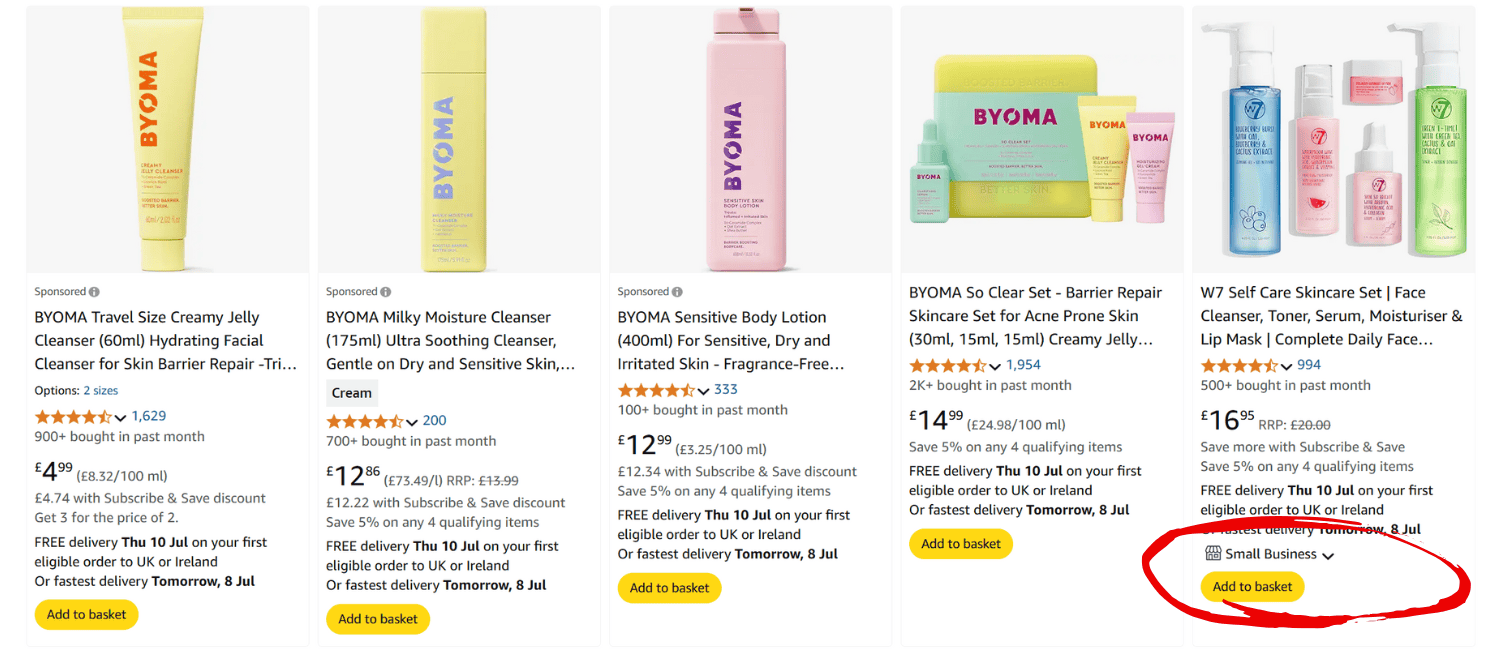
SMEs registered with Amazon’s Brand Registry and/or Handmade programme qualify for a Small Business badge. The badge is visible for as long as the seller meets these criteria.
2. Prime Day deals designed for small businesses
Amazon provides tools and guidance to help small businesses deliver suitable discounts, helping to boost visibility and encourage more sales during the event. These include:
- Deals Dashboard in Seller Central – A centralised hub for creating and tracking deals. Sellers can see eligibility, submission deadlines, and performance metrics here.
- Voucher call-outs – Create targeted coupons to attract deal-seeking customers. These appear with an eye-catching label on the product detail page and search results.
- Prime Day tutorials – Amazon hosts training sessions on topics like campaign best practices, product listing optimisation, and how to improve ad performance.
- Inventory planning – Forecasting insights (stock alerts and demand projections) help you maintain optimal stock levels.
If you’re preparing for your first Amazon Prime Day, these tools are vital for preparing competitive offers and attracting high-intent shoppers. Even if you’ve done this before, trends change, so use the guidance available to get the most out of your campaign.
3. Marketing support
Amazon actively promotes small sellers in its marketing leading up to Prime Day through online campaigns, emails to shoppers, and feature articles, including news stories that explored how Amazon supported small businesses on Prime Day 2021.
Below is another example of how Amazon uses creative assets to urge users to shop small during Prime Day 2025:
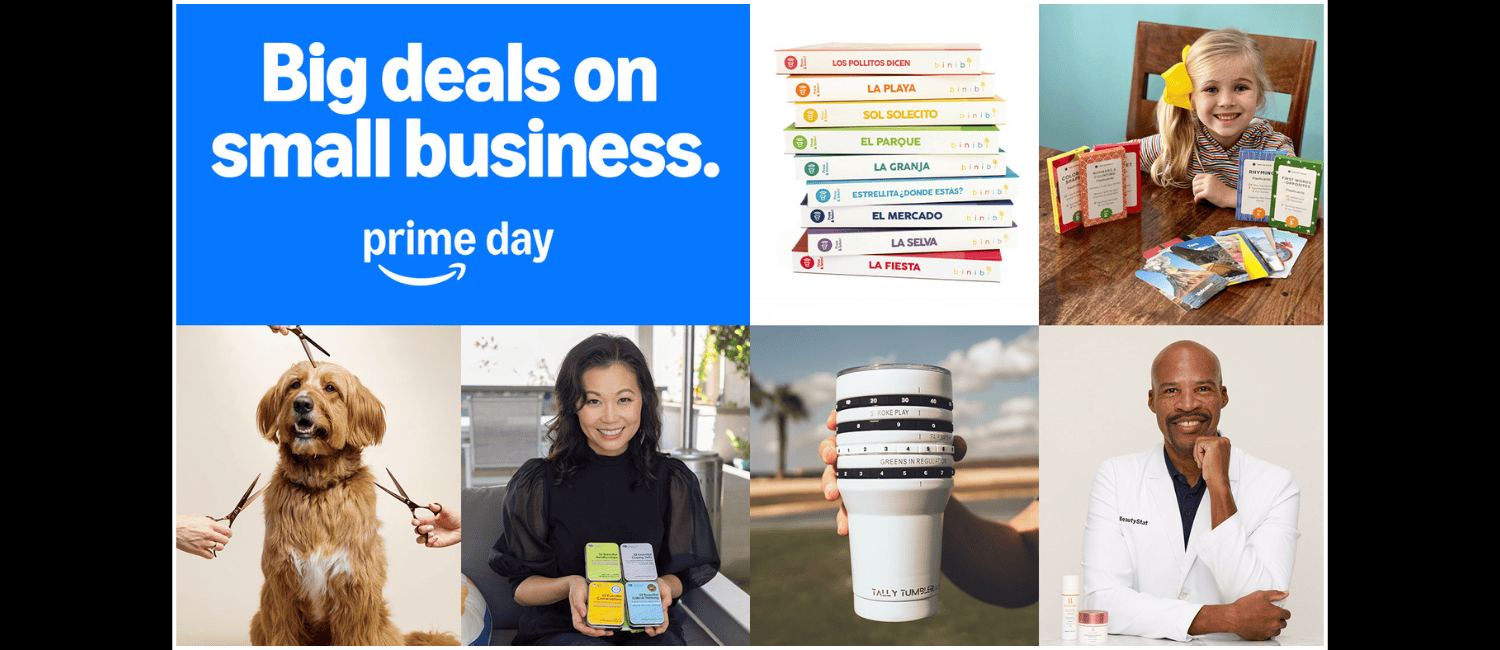
This kind of dedicated marketing support helps small businesses gain visibility among millions of Prime Day shoppers. By aligning with Amazon’s promotions, independent sellers can tap into a wider audience, drive traffic to their products, and build long-term brand recognition through increased exposure during one of the biggest shopping events of the year.
4. Dedicated shopping pages for small brands
Amazon often promotes UK-based small businesses through dedicated pages like the Great British Brand Store. These curated storefronts highlight local brands and make it easier for shoppers to discover and support independent UK businesses, especially during major retail events like Prime Day.
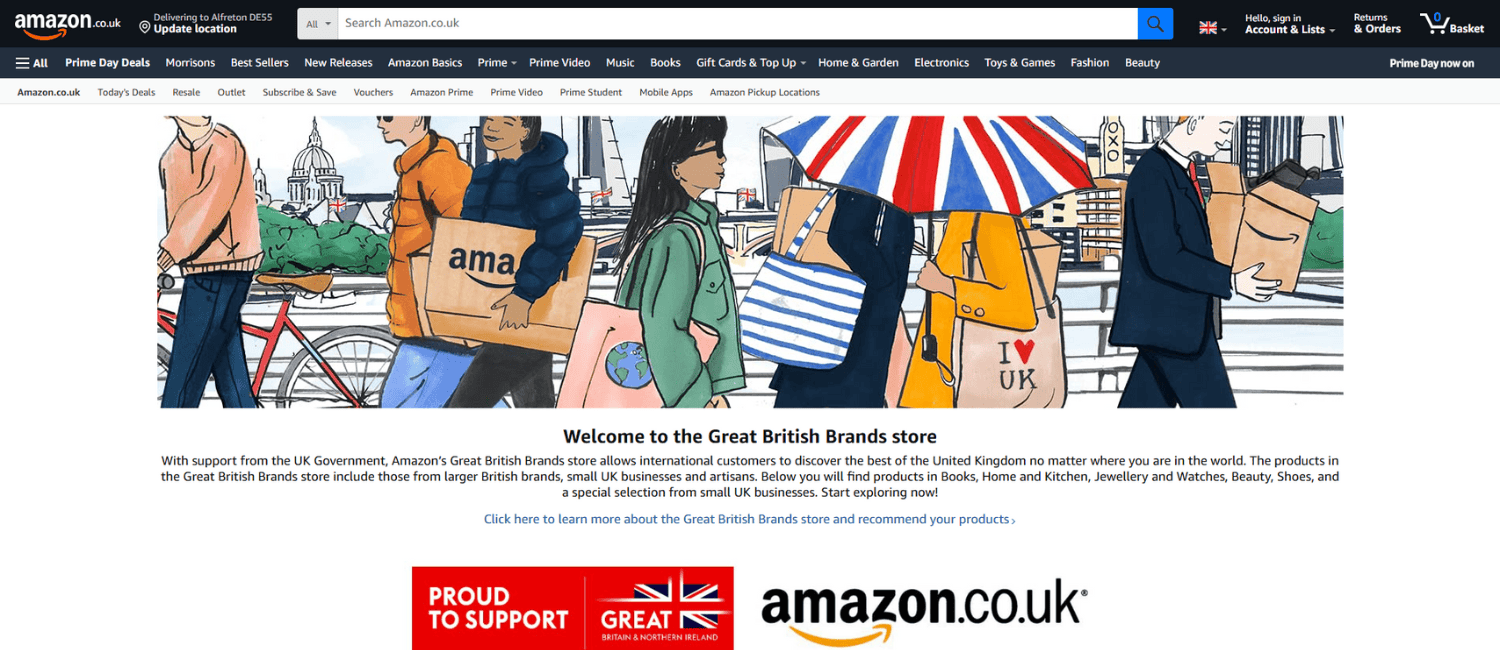
Backed by the UK government, The Great British Brand Store spotlights small brands, helping international customers discover the best of the UK’s local products. Inclusion in a store like this (especially during busy promotional periods) is the perfect chance to spotlight your expertise and earn shopper trust.
Apply to feature on the Great British Brand Store if you ship internationally, sell products in the Books, Home, Jewellery, Beauty, or Shoes categories, and have a positive seller reputation with customers and Amazon.
Preparing for your first Amazon Prime Day UK
Getting the most out of Amazon Prime Day starts long before the sales go live. With the right preparation, small businesses can turn this shopping event into a powerful growth opportunity.
Here are our top tips for getting ready for your first Amazon Prime Day UK:
1. Start early
Give yourself 6 to 8 weeks to start planning your promotional activity. Use this window to finalise your offers and cross-sell strategies, and establish your promotional messaging and target channels.
Avoid opting into Amazon Prime Day UK at the last minute. Treat it like a product launch, and start preparations well in advance to maximise potential.
2. Decide which products to discount
While the biggest discounts often get the most attention during Amazon Prime Day, it’s equally important to select the right products to promote. Choose:
- High-margin or slow-moving stock
- Top-selling items with positive customer reviews
- Bundles that increase average basket size
- Popular items your customers have added to their Amazon wish lists
Avoid pushing low-margin items where discounts can outweigh profits during Prime Day, or new products without reviews.
3. Align creative assets with sales messaging
Your visuals and messaging should align with the urgency and limited-time nature of Amazon Prime Day. Use high-quality images, ad banners and website pop-ups to grab attention, and clear, time-sensitive action copy (e.g. “Don’t miss out” and “Ends [date]”).
4. Notify customers ahead of the event
According to the Adobe report, email marketing campaigns boosted UK retailers’ revenue by 30% during Amazon Prime Day UK 2024.

To capitalise on this opportunity, start building excitement among your audience in the days leading up to Prime Day. Do this by sending teaser emails to give customers a sneak peek of upcoming offers and a reason to search for your brand and products once the event goes live.
5. Ensure you have enough stock
Look at your historical sales data (particularly during peak periods) to forecast demand more accurately for your first Amazon Prime Day. Account for potential delivery delays, especially if using third–party logistics over Amazon order fulfilment.
Strategies for small businesses not selling on Amazon
You don’t need an Amazon storefront to profit from Prime Day momentum. There are several ways to do this, including:
- Running a time-limited offer on your website – Mirror the Prime Day format (e.g., flash deals, day-specific discounts) to capture customer urgency on your owned channels.
- Launch a Prime Day-themed social media campaign – Use #PrimeDay and related hashtags to join the wider conversation.
- Set up Google Ads targeting Prime Day search behaviour – Target promotional keywords to attract shoppers searching for online deals, even if they aren’t loyal Amazon customers
- Reward your most loyal shoppers – Use audience segmentation and send personalised emails with exclusive offers such as early access or free shipping.
- Highlight your brand values to stand out – Storytelling performs well during sales events. Lean into themes like sustainability, shopping local, or handmade quality to strengthen emotional connections with values-based consumers.
Whether you’re on Amazon or not, the key is preparation. Activate your campaigns and messaging ahead of Prime Day to benefit from peak shopping behaviour and an increased appetite for deals.
If you’re ready to sell products on Amazon or other e-commerce sites, check out this guide to selling products online.
Building momentum beyond Prime Day
Prime Day isn’t just a few days of discounts or immediate sales. It’s also an excellent opportunity to:
- Optimise your product listings – Descriptive and compelling product detail pages (PDPs) are key to converting clicks into sales. Use Prime Day as an opportunity to make an impact beyond the day itself.
- Gain insightful data – Understand which products, messaging, and creative assets perform best, and apply those learnings to other marketing campaigns. For instance, track which product pages had the highest conversion rates to shape future ad copy and bundle offers.
- Encourage social sharing during and after Prime Day – Send post-purchase emails or use hashtags to promote user-generated content (UGC) on social media, as this will help build customer trust and loyalty.
Even if your first Amazon Prime Day sales results aren’t as expected, they can unlock these powerful benefits that will help you strengthen customer relationships and make more informed business decisions.
To optimise your PDPs, use keyword-rich titles, highlight benefits with scannable bullet points, and craft easy-to-read descriptions to complement high-quality images.
Scale your small business with the next Amazon Prime Day UK
If this is your first time preparing for Amazon Prime Day, it’s natural to feel overwhelmed. But you’re not alone. With the right preparation, even small business teams and solo founders can develop a well-timed strategy that capitalises on the Prime Day surge to boost visibility and drive sales and growth.
Remember to start planning early for Prime Day, promote your best-selling products, and lead with your brand values to stand out from the crowd and engage with potential customers who care about what you offer.
Need to set up fast before Prime Day? Register your business and launch it in as little as 24 hours with 1st Formations. Simply choose your ideal registration package and tell us a little bit about your company. We’ll do the rest, so you can focus on growing your business with confidence.





Join The Discussion