
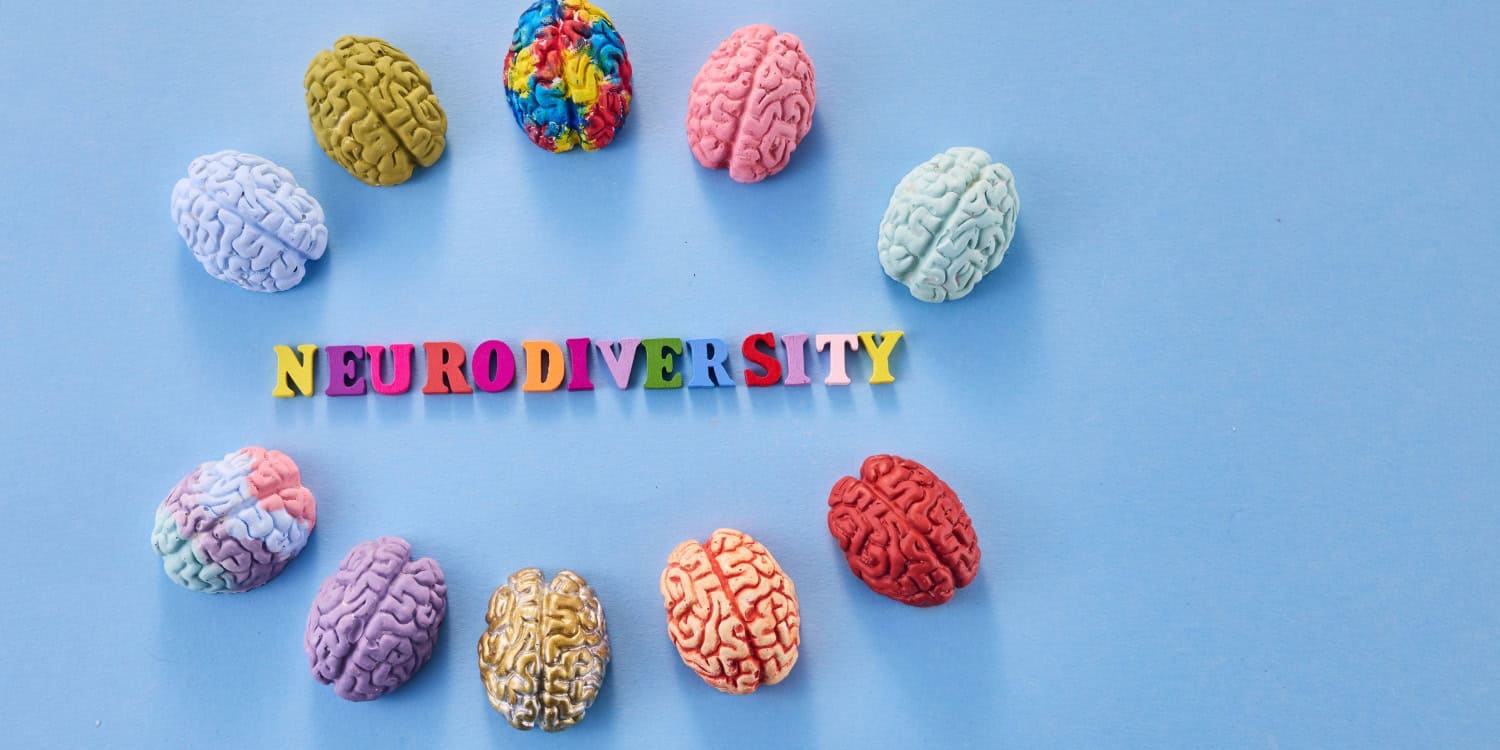

When we talk about what makes a great founder, we often celebrate bold ideas, strategic risk-taking, and the ability to solve problems in unconventional ways. But where do those strengths come from?
For many, those traits are often linked to neurodivergence: differences in brain wiring shaped by conditions such as autism, ADHD, dyslexia, and Tourette’s. No wonder, then, that neurodivergence shows up in entrepreneurship in so many ways: in how ideas take shape, how leaders manage their teams, and in the companies that ultimately emerge from disruptive consumer brands to platforms that reimagine whole industries.
In the UK today, a growing number of visionary founders are showing just how powerful those differences can be. In this article, we take a look at six entrepreneurs who have built standout neurodiverse companies, challenged outdated norms, and carved out paths for others to follow.
Key takeaways
- Neurodivergent founders often build businesses rooted in their personal challenges, like Ben Pearson and Luke Manton did.
- Businesses built around neurodiverse thinking styles often challenge industry norms, like Pip Jamieson’s CV-free platform and BrewDog’s disruptive model.
- Neurodivergent traits – like hyperfocus, impulsivity, or visual processing – can become competitive advantages when baked into how companies operate.
1. James Watt – Co-Founder, BrewDog

James Watt co-founded BrewDog in 2007, turning a small Aberdeenshire startup into one of the world’s best-known craft-beer brands. Provocative marketing campaigns and the radical “Equity for Punks” crowdfunding model helped push the company from the margins into the mainstream, reshaping how people thought about beer culture.
After more than a decade driving that growth, Watt began to reflect more openly on the forces shaping his own approach to leadership. In January 2023, he revealed that he had been diagnosed with both autism (which he described as “high-functioning Asperger’s”) and ADHD. The news, he explained, gave him a framework for understanding his own patterns, from the “blind spots” of reading social cues or expressing empathy to the “gifts” of focus, creativity and analysis. It also pushed him to adopt daily routines that made managing challenging situations easier.
- 10 great UK businesses with humble beginnings
- Humble beginnings: The story behind Not on The High Street
- Why we need to challenge the gender gap in entrepreneurship
That same year, BrewDog partnered with Onebright to launch a neurodiversity support programme for employees, offering voluntary assessments and diagnosis pathways. So, by the time Watt stepped down as CEO in May 2024, he had succeeded in putting neurodiversity firmly on the firm’s agenda.
2. Pip Jamieson – Founder & CEO, The Dots
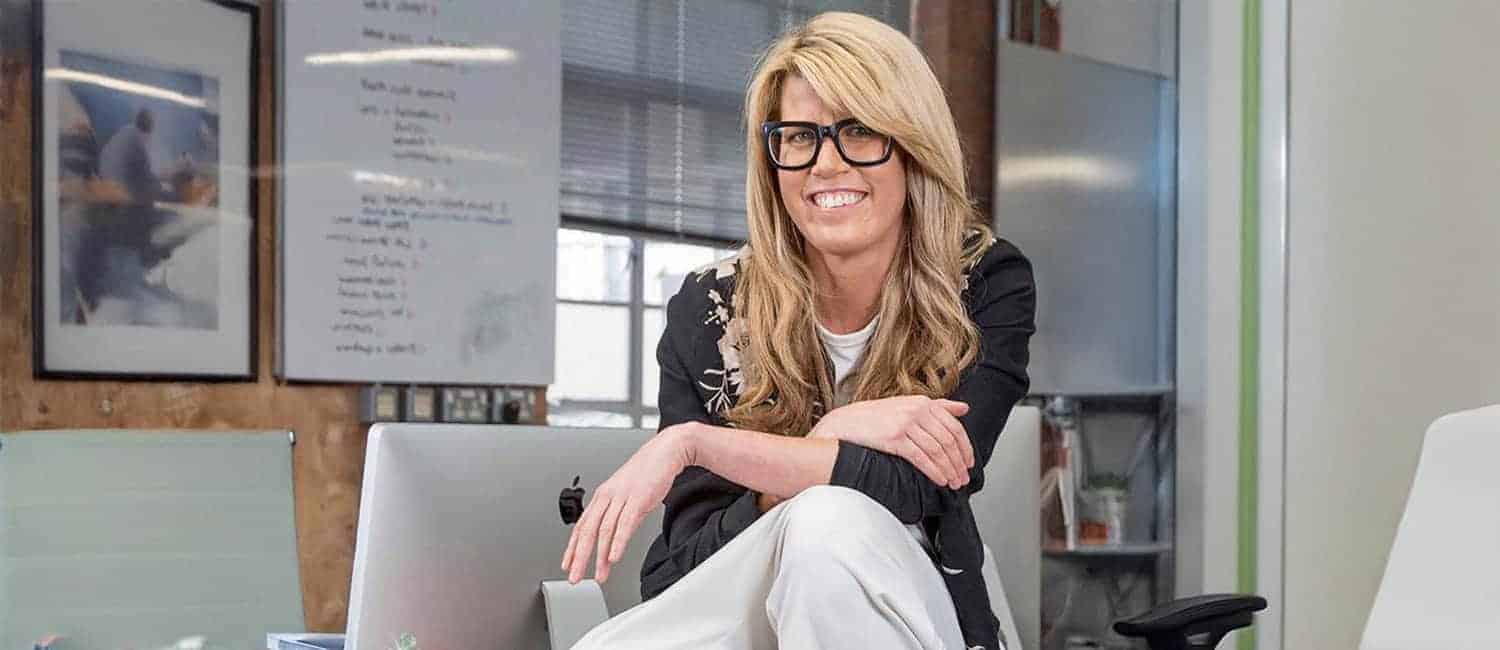
Pip Jamieson jokes that she didn’t learn to read until 11 and still leans on spellcheck daily. But her dyslexia, far from holding her back, became a way of seeing differently.
That perspective shaped not only how she worked, but how she looked at the industries around her. While working at MTV, she recognised that creative careers – packed with portfolio work, freelance roles, and fluid paths – didn’t fit LinkedIn’s CV-driven model. Spotting the mismatch, she set out to build an alternative. From her London houseboat, she launched The Dots, a platform that showcases creative work rather than resumes. Today, it has grown into a diverse community of around 62% women, 31% BAME, and is used by leading brands and emerging freelancers.
Her leadership philosophy is equally shaped by neurodivergence. She argues that traits common among people with dyslexia (such as perseverance, creativity, intuition, and empathy) are business strengths, and she screens hires based on values rather than conventional “culture fit”.


Today, The Dots connects hundreds of thousands of creatives with major brands, and Jamieson credits her dyslexia for shaping both the platform’s visual-first design and the inclusive values that drive its community.
3. Luke Manton – Founder of Manton Executives
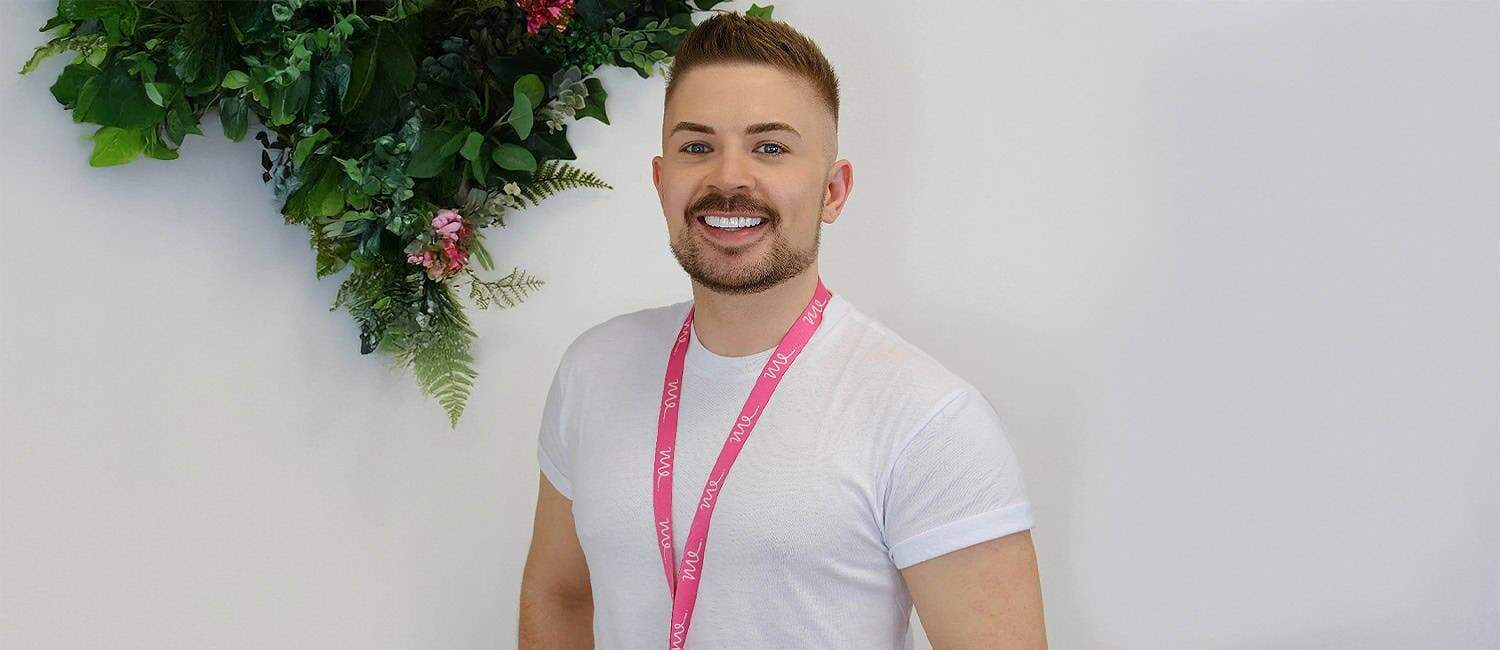
A brain injury in adulthood triggered Tourette’s syndrome for Luke Manton, and with it came an abrupt shift in his career. Employers focused on his tics rather than his skills, and roles he might once have secured slipped out of reach.
Rather than accept that exclusion, he decided to hire himself. He launched Manton Executives, a virtual assistant agency built on openness and candour. At first, winning clients was difficult, as visible tics often provoked bias – but Manton chose not to mask them.
Instead, he leaned into transparency. An unfiltered video introduction, showing himself exactly as he is, proved a turning point: clients responded to the honesty, and what began as a necessity grew into a thriving agency serving businesses across the UK.


Today, Manton speaks widely about inclusive hiring and workplace design, using his own experience of exclusion to advocate for more open and supportive workplaces.
4. Steven Bartlett – Co-Founder of thirdweb and Flight Story
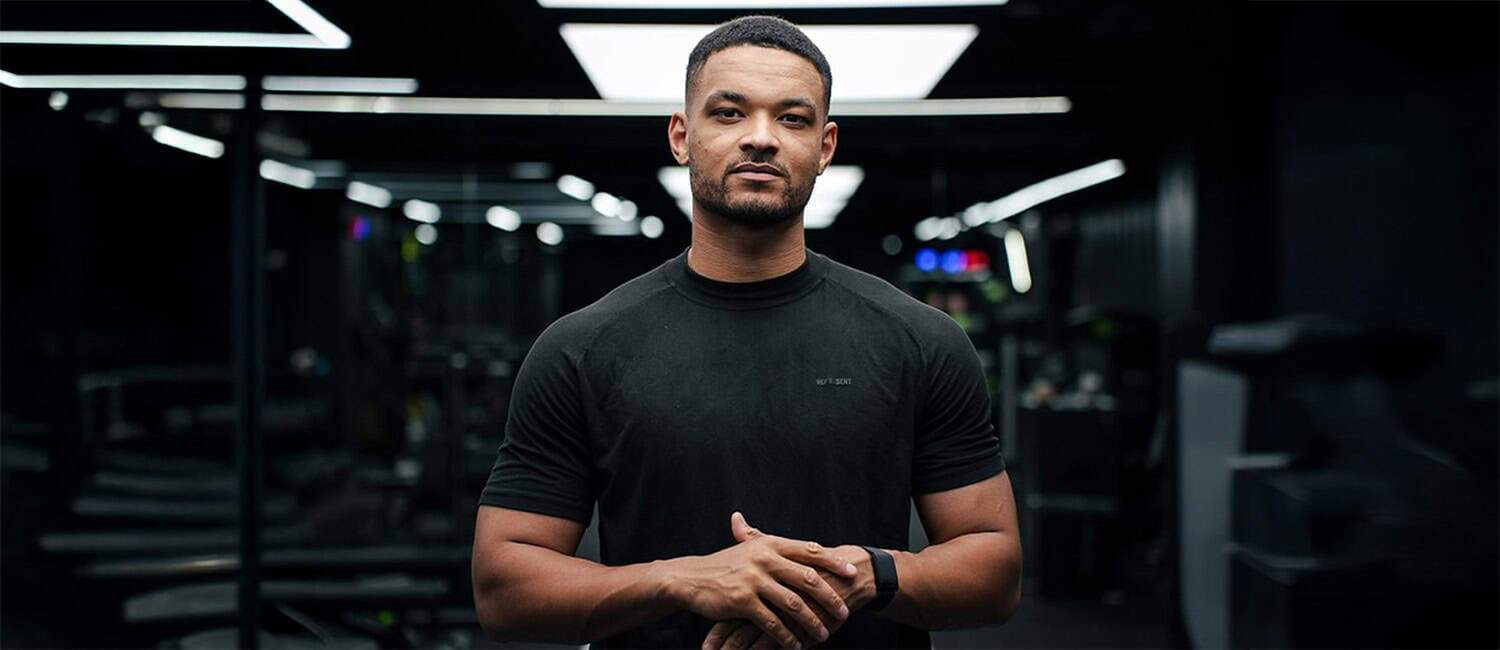
Steven Bartlett is one of the UK’s most recognisable entrepreneurs, known for co-founding Social Chain, investing in dozens of startups, and hosting Diary of a CEO, one of the world’s top business podcasts.
Steven Bartlett often describes experiencing overfocused attention, a hallmark of ADHD, while routine tasks are harder to sustain. He told The Guardian that this pattern shaped both his academic struggles and his business instincts: he deferred university after just one lecture and became skilled at quitting things that didn’t fit.
He uses this as both a filter and a fuel. His willingness to walk away from what doesn’t engage him and double down on what does has become a backbone of his brand and creative ventures. In his book The Diary of A CEO, Bartlett explains how this trait helped him “get closer to things I enjoy faster, not overstay my welcome in areas I don’t”.


This self-awareness is built into his leadership model. Rather than pushing hard in areas where he struggles, he surrounds himself with people who excel at the routine and administrative tasks he finds draining. And that division of labour – focusing his attention where it fires best and trusting others with the rest – has shaped ventures like Social Chain, Flight Story, and thirdweb, where branding, speed, and marketing drive growth.
5. Ben Pearson – Founder of BigClothing4U and Uptheir
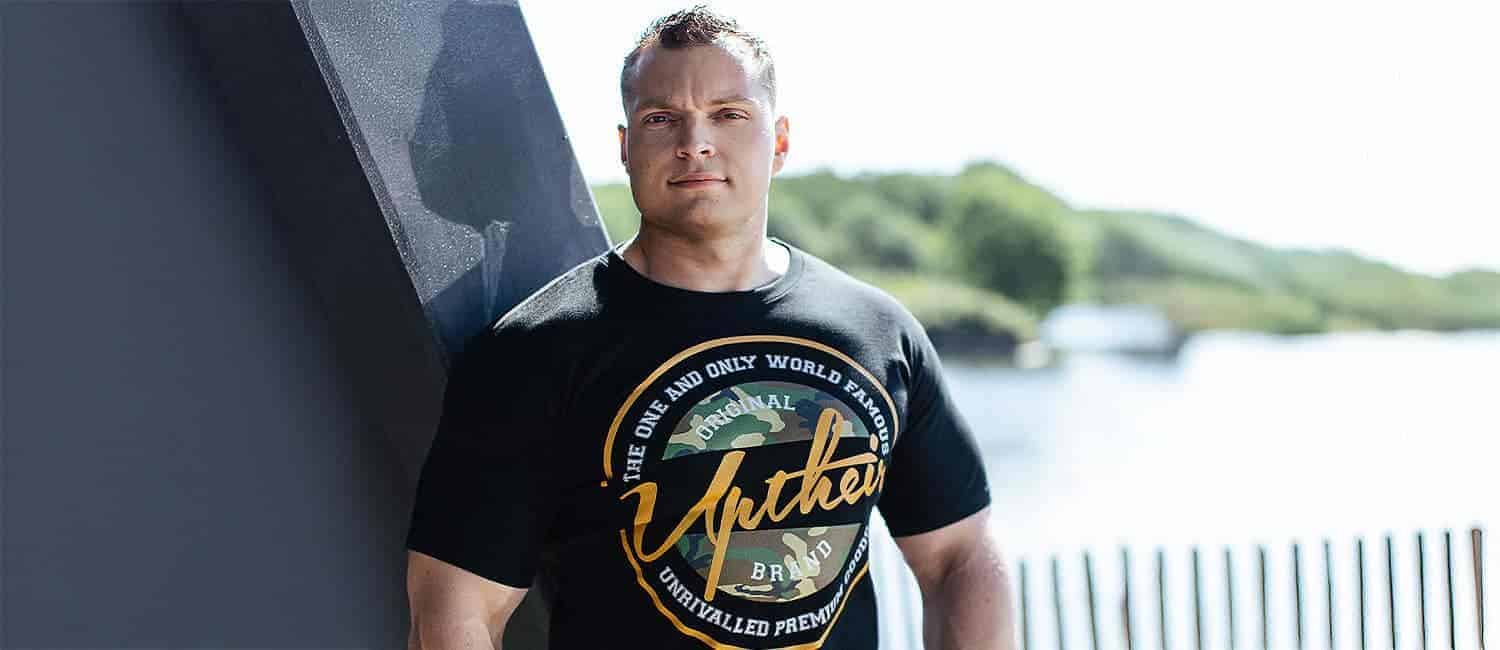
Ben Pearson’s journey is one of resilience shaped into entrepreneurship. Diagnosed with autism as a child, he endured years of bullying, exclusion, and even periods of homelessness – experiences that gave him both toughness and a sharp awareness of unmet needs. That awareness came into focus later in adulthood, when he spotted a gap in the fashion industry: bigger men lacked stylish, accessible clothing.
From his bedroom, Pearson launched BigClothing4U, and later expanded with Uptheir, a brand offering sizes up to 8XL. The concept struck a chord, not only with customers, but with investors. When he appeared on Dragons’ Den in 2023, his pitch drew national attention and secured funding and praise.
Pearson is candid about the challenges autism brings to his daily life. But he’s equally clear about the strengths it gives him: deep focus, authenticity, and a direct link to the problem his company is solving. As he put it after Dragons’ Den, it “takes a lot of guts to be here” with autism, but those “slightly different ways of thinking” are the very perspective that helped him recognise – and build for – a market others had overlooked.
6. Dr Nancy Doyle – Founder of Genius Within CIC
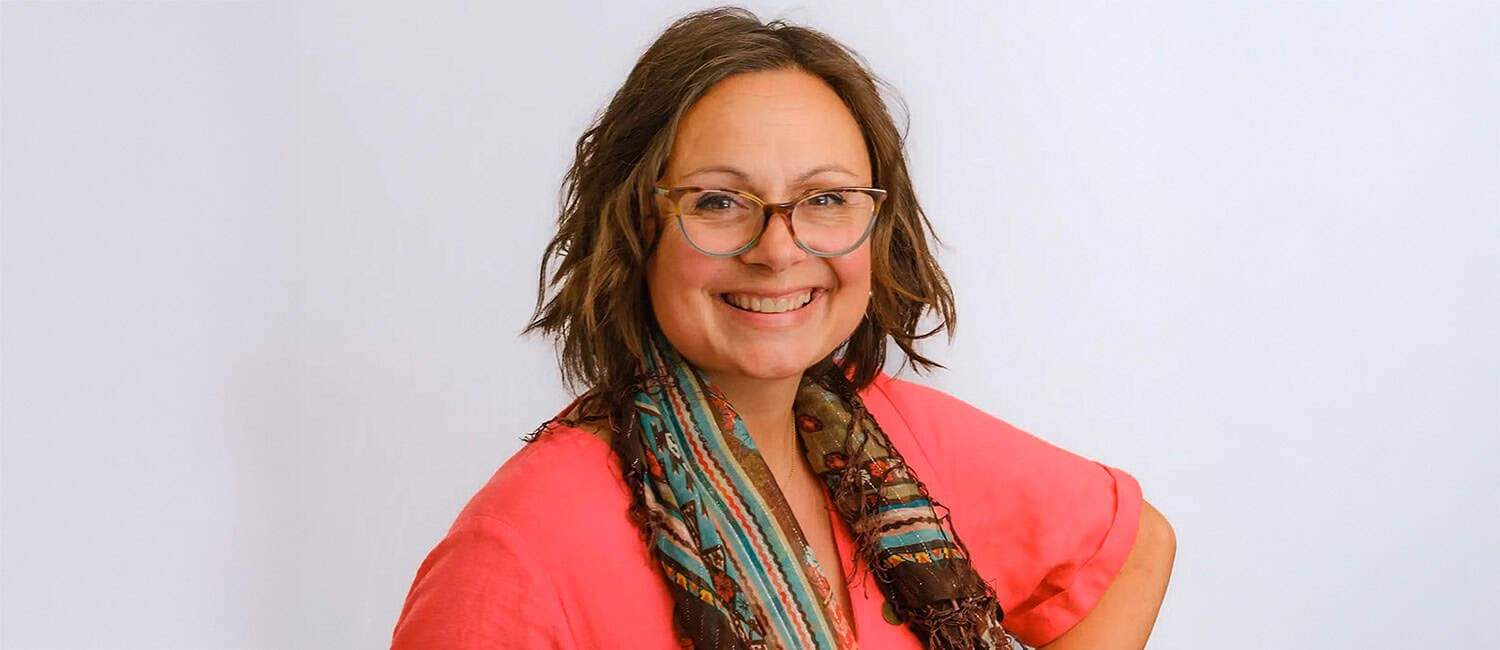
Dr Nancy Doyle is a psychologist and entrepreneur who has spent her career making workplaces fairer for people who think differently. In 2011, she founded Genius Within, a community interest company offering coaching, assessments, and consultancy to help neurodivergent employees thrive. Over time, it has grown into a nationally recognised organisation, with many of the team identifying themselves as neurodivergent.
Doyle’s work has reached far beyond her own company. She helped create the BBC’s award-winning Employable Me series, which brought the hidden talents of neurodivergent jobseekers to mainstream TV. She has also advised government bodies on workplace policy, contributed to guidance for the British Psychological Society, and continues to publish research as a visiting professor at Birkbeck, University of London.
Diagnosed with ADHD as an adult, Doyle often reflects on how her own experiences fuel her practice. She argues for moving away from a deficit lens and towards systems that allow people to bring their full strengths into work. For employers, her message is simple but challenging: don’t just accommodate difference; design with difference in mind.
Celebrating the contributions of neurodiverse entrepreneurs in the UK
These founders span multiple industries – tech, media, retail, and psychology – but share something deeper: each shaped a company largely around how their mind works. Their stories show how neurodivergence is already transforming entrepreneurship in the UK, questioning assumptions and reimagining how businesses function.
If you’re neurodivergent and ready to start your journey, the first step is building the right business structure. Our team at 1st Formations is here to help – with fast, expert company registration and services that let you focus on shaping a company that works for you.


Join The Discussion