
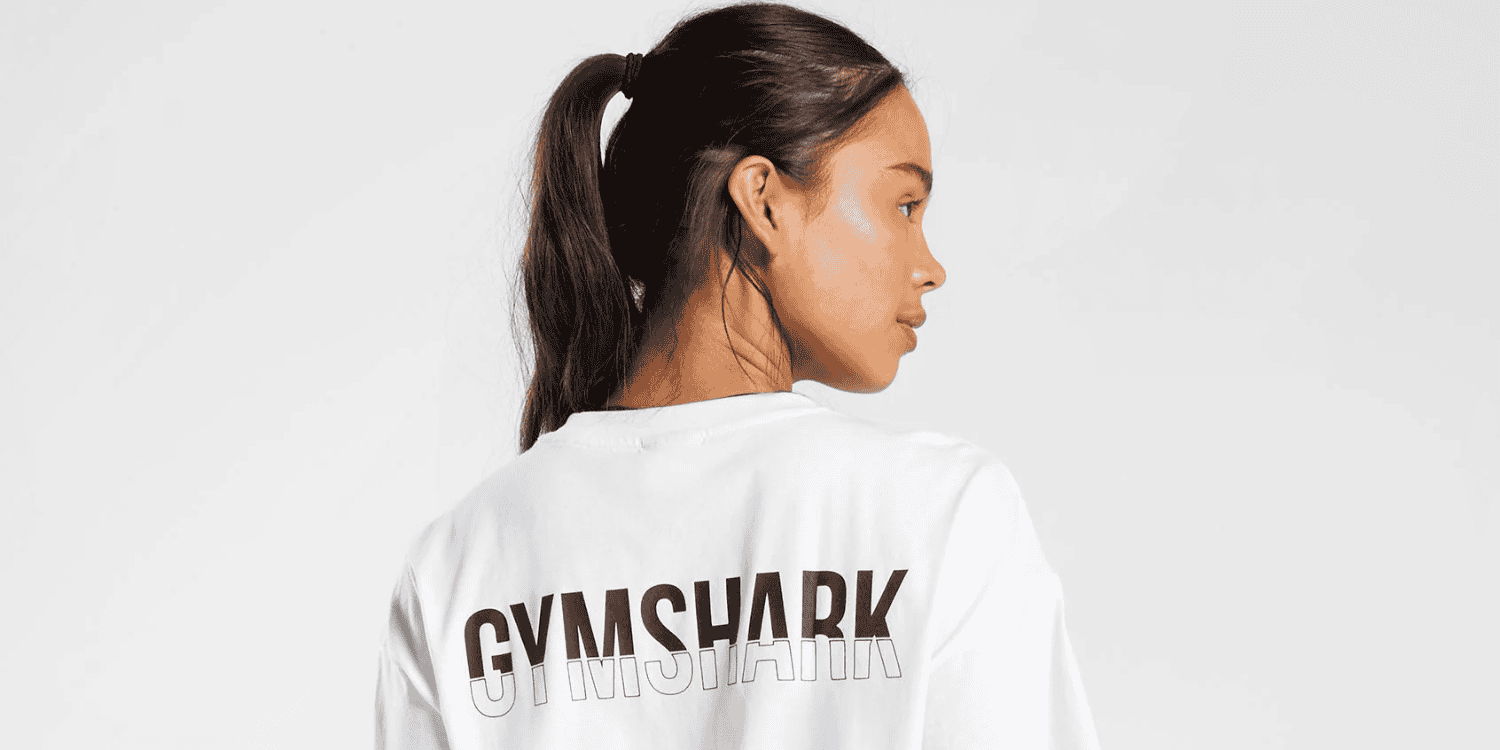
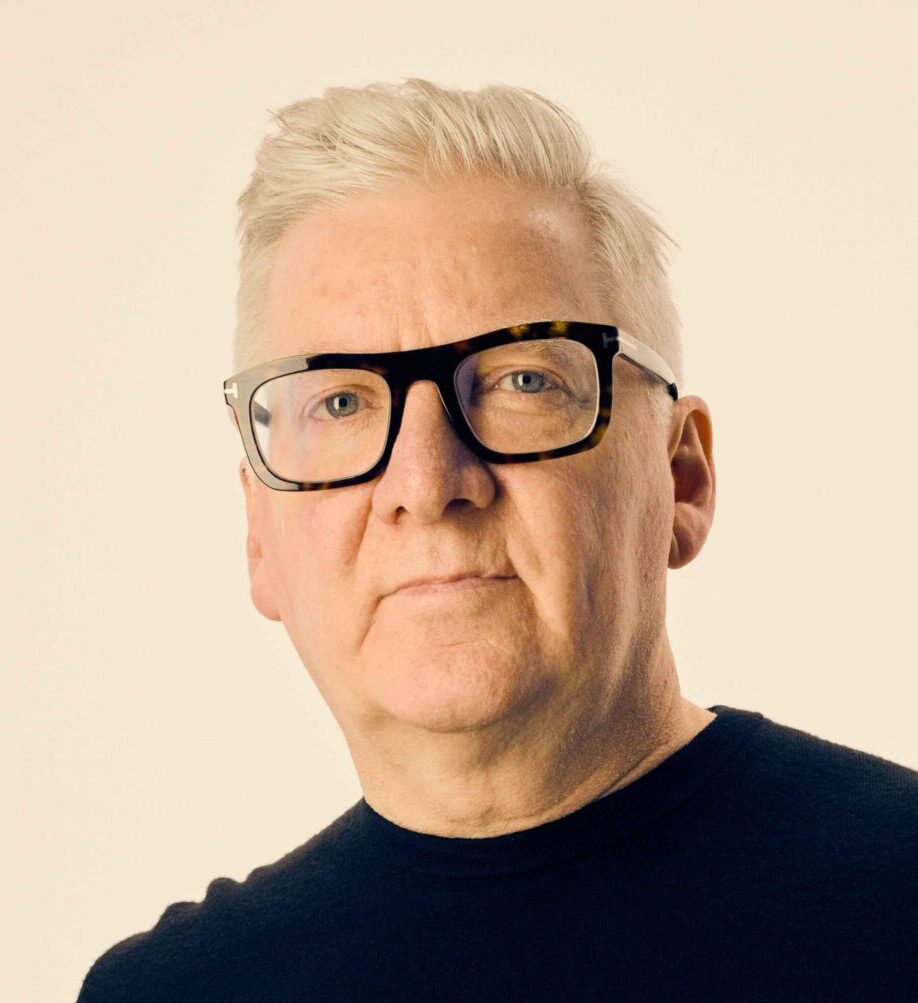
Ben Francis was 19, studying at Aston University and delivering pizzas in the evenings, when he and his school friend Lewis Morgan incorporated Gymshark in 2012. Over the next decade, it grew into one of the most recognisable fitness brands in the world – a billion-pound business with customers in 230 countries, built without a penny of outside investment until 2020.
The story has obvious appeal as a headline, but it also contains lessons that matter for any founder thinking about building something from scratch – including how Francis actually navigated the early years, the risks he took, the rejections he absorbed, and the decisions that helped Gymshark become what it is today.
Key takeaways
- Ben Francis started Gymshark with dropshipping before teaching himself clothing design and producing the brand’s first products in his parents’ garage.
- A high-risk bet on a stand at the BodyPower Expo helped Gymshark gain early visibility and triggered its first major sales surge.
- Gymshark’s direct-to-consumer strategy and creator-led community marketing helped it scale globally without early external investment.
How did Ben Francis start Gymshark?
In 2012, Francis was studying at Aston University and working Pizza Hut delivery shifts to cover his costs. But between lectures and late-night runs, he was building something on the side: a way to combine his genuine love of fitness with a growing curiosity about business.
Together with his school friend Lewis Morgan, he launched Gymshark and incorporated the company that same year. At the start, it was little more than a domain name. With no financial backing or stock, Francis chose a dropshipping model: he sold performance supplements on the site without holding any inventory, triggering orders directly with third-party suppliers. It kept the risk low, but it took 60 days for order #00000001 to arrive.
- 10 great UK businesses with humble beginnings
- Humble beginnings: The Cambridge Satchel Company
- Do I need a VAT number for my UK dropshipping company?
Why did manufacturers reject Gymshark?
Supplements gave Gymshark a starting point, but Francis quickly identified clothing as the bigger opportunity. He began selling gym wear using the same dropshipping model, but the products were generic, baggy, and far from the fitted, physique-enhancing designs he had in mind. He decided to go straight to manufacturers and get something made properly.
It didn’t go well. Gymshark was an unknown brand with no sales history and no financial backing. Manufacturers weren’t interested – and without leverage, Francis had no way to get a foot in the door. What is more important than the rejection itself, however, is what came next.


How did Ben Francis teach himself clothing design?
Rather than waiting for an opportunity that wasn’t coming, Francis made his own. His mum taught him to sew. With approximately £1,000 of his own savings, he purchased a sewing machine and a screen printer, then established a production line in his parents’ garage to create Gymshark’s initial products by hand.
Taking on every task, he printed the logos, packed the orders, and personally delivered them. Despite lacking any formal training in garment construction or fabric technology, he took the initiative to teach himself everything he needed to know.
Frustrated by the poor-quality materials standard in gym wear at the time, he researched alternatives – including softer fabrics, better fits, and designs that actually worked for serious trainers. It was slow, iterative, and often wrong before it was right.
Gymshark was no longer a dropshipping operation. It was becoming a product company – built around materials Francis actually wanted to wear, made in a garage and sold online, one order at a time.
As he later reflected, speaking to LADbible Stories:
It’s so easy to look at Gymshark in isolation as this thing that blew up and did incredibly well, but people forget about the seven websites and the four apps that were produced beforehand, which failed miserably. And the reason Gymshark can exist and has done what it has done today is because of those prior failures.
What was Gymshark’s breakthrough moment?
By 2013, Gymshark had enough momentum that Francis was looking for a way to accelerate it. The BodyPower Expo at the NEC in Birmingham was the UK’s largest fitness event – athletes, brands, and serious gym-goers all in one place. Francis had attended the year before as a visitor and seen what it could mean for a brand. This time, he wanted a stand.
The problem was straightforward: booking it would cost everything the company had. If it didn’t work, there would be nothing left. Francis took the risk anyway. When the expo opened, the Gymshark stand drew a crowd of athletes, fitness influencers, and fans, drawn in by designs unlike anything else on the floor.
Shortly after, Francis dropped out of university to focus on Gymshark full-time. The business was pulling in around £300 a day. Then came the Luxe Tracksuit: Gymshark’s first premium product, and another all-or-nothing bet. The minimum order quantity required to get it manufactured took every penny in the company’s account. When it launched, it sold out almost immediately. Gymshark went from £300 a day to £30,000 in 30 minutes.


Why did Gymshark stay direct-to-consumer?
As Gymshark’s profile grew, the approaches started coming in. Investors, retailers, and industry figures all had suggestions about what the obvious next step looked like – and most of them involved getting Gymshark onto retail shelves. Francis wasn’t interested.
“I was working on the principle that if you only listen to the voices around you, you’ll amalgamate them into something that already exists,” he told Thought Economics.
Staying direct-to-consumer meant keeping control: over pricing, over branding, over the customer relationship. Rather than placing products in stores, Gymshark built its audience through social media, events, and partnerships with athletes and creators – people Francis had watched on YouTube, sent kits to, and then invited into the brand’s orbit. It was a community-first model that created something retail distribution couldn’t have replicated.
In 2017, Francis stepped back from the CEO role, handing day-to-day leadership to Steve Hewitt to build stronger operational foundations while Francis focused on brand and product. He returned as CEO in 2021.
From a garage in Bromsgrove to a billion-pound brand
Gymshark kept growing. By 2016, it had outgrown its early offices and moved into a dedicated headquarters in Solihull. In 2020, American investment firm General Atlantic took a 21% stake in the business (Gymshark’s first-ever external fundraise), valuing the company at over £1 billion and giving it unicorn status.
In October 2022, Gymshark opened its first permanent physical store on Regent Street in London, a deliberate move that complemented rather than replaced its D2C model. By the financial year ending July 2024, turnover had reached £607.3 million.

The company now has over 900 employees, a social media following of 18 million, and customers across 230 countries. To keep the brand anchored to its roots, former Gymshark athlete David Laid has been appointed Creative Director of Lifting, shaping product direction and reinforcing what Gymshark has always been: a brand built for lifters, by lifters.
What can entrepreneurs learn from Gymshark?
When he began, Ben Francis had no industry connections, no funding, and no formal business plan. What he did have was a genuine understanding of his customer (because he was his own target customer) and a willingness to keep going through rejection and failure until something worked. A few lessons can be drawn from his success in building Gymshark:
- Start before you’re ready. Gymshark began as a basic website selling supplements that Francis didn’t even stock. The business didn’t wait for perfect conditions.
- Use constraints as a focus. No manufacturers would work with him, so he made the product himself. The limitation became the differentiator.
- Failure is data. Seven websites and four apps came before Gymshark. Francis is open about that – and clear that those failures made the business possible.
- Build for a community you genuinely understand. Gymshark’s early growth came from Francis seeding products to YouTubers he actually watched, then bringing customers together at events. It was community before it was strategy.
- Don’t mistake consensus for vision. When everyone was telling him to go into retail, Francis didn’t. Knowing what you’re building – and why – matters more than listening to the surrounding noise.
As Francis put it when speaking to British GQ about the successful figure he admires: “The common theme is that they’re all winging it.” The founders he learned the most from were building on the fly, adapting fast, and being honest about it – a reasonable model for anyone getting started.
Putting Gymshark’s lessons into practice
Ben Francis built Gymshark by doing things most people wouldn’t have the nerve to try: emptying the company’s account on a trade show stand, dropping out of university, and turning down retail deals when the conventional wisdom said to take them. And underlying those individual choices was something consistent: a clear sense of who the brand was for and a willingness to let that North Star guide crucial early decisions.
If the Gymshark story has got you thinking about starting something of your own, the first practical step is getting your company set up on solid foundations. From company formation to registered office addresses and company secretarial services, at 1st Formations, we help new businesses get the structure right from day one. Focus on building your venture, rather than drowning in paperwork.



Join The Discussion
Comments (4)
This was an amazing read! It was great learning about the beginnings of Gymshark story for my own expert financial advice UK business.
Thank you for your kind words, David.
We’re delighted that you enjoyed reading our latest blog post.
Kind regards,
The 1st Formations Team.
Thanks for the article! It was great learning about the beginnings of Gymshark story for my own expert financial advice UK business.
Thank you for your generous feedback, David.
We’re happy to hear that our most recent blog was to your liking.
Kind regards,
The 1st Formations Team.