

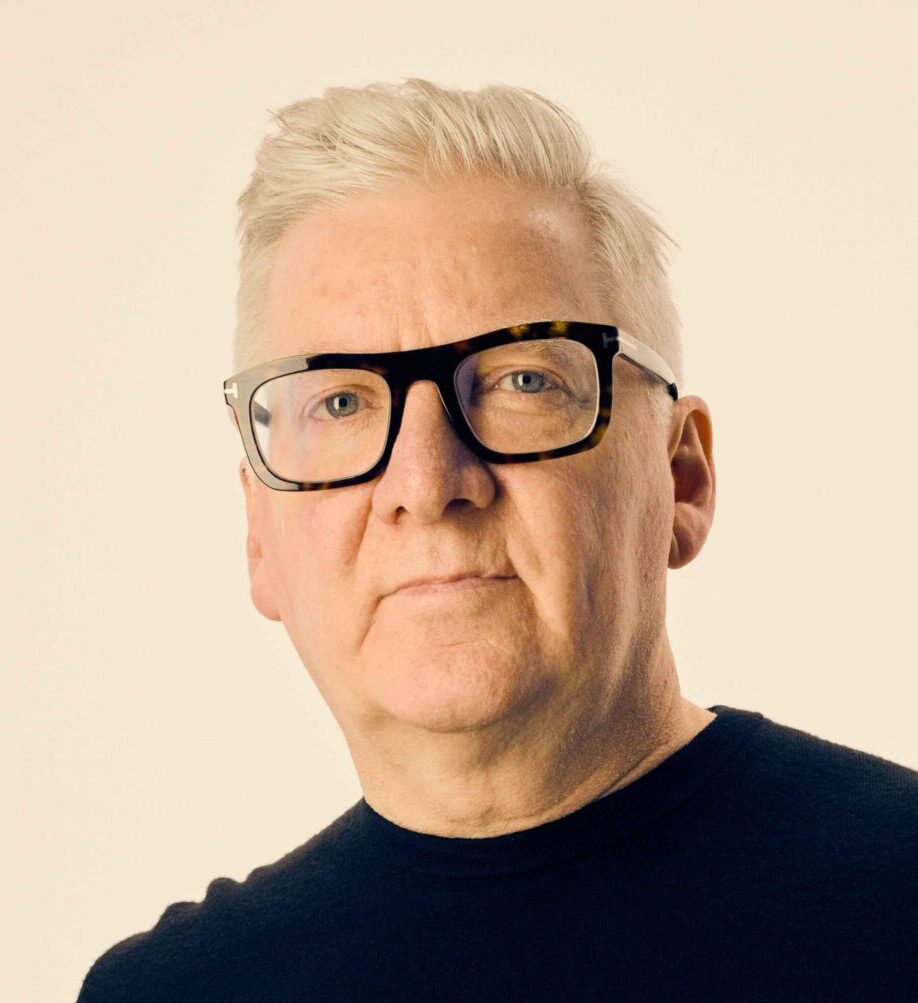
There’s a Japanese saying that’s stayed with me:
“If you get on the wrong train, get off at the nearest station. The longer it takes you to get off, the more expensive the return trip will be.”
For me, this wasn’t just a proverb. It was my life. I spent 36 years on the wrong trains, going in directions that never gave me joy or fulfilment. Only now, at 64, do I feel like I’m finally on the right one – and just getting started.
This is my story. And my hope is that you won’t make the same mistakes I did.
Key takeaways
-
Staying too long in the wrong career or business only makes it harder to change direction.
-
The right business should align with your passion, aptitude, and solve a real problem.
-
Integrity, persistence, and knowing when to move on are the foundations of lasting success.
My first wrong turn: quantity surveying
In 1978, I left school and went into a degree course in quantity surveying. Why? I didn’t choose it because I enjoyed it or had a talent for it. I only did it because my friend was doing it. From the very beginning, I knew it wasn’t for me.
But instead of stepping off that train early, I stayed.


At first, I stuck with it because it was familiar. Then life gathered pace: I got married, bought a house, and had a child. Each life event felt like a door closing behind me, locking me into a career I didn’t want.
The image I use to describe it is that of a hospital corridor. Growing up in Glasgow, hospitals were places I dreaded. They were huge Victorian buildings with long corridors, endless doorways, and the antiseptic smell that made me anxious. You went there for something serious: cancer, heart conditions, lives turned upside down. I often felt trapped in those corridors, doors closing behind me with no easy way out.
That’s exactly how my career felt. I kept walking forward, even though every instinct told me I was in the wrong place. Incredibly, I stayed in surveying for 22 years.
A leap into self-employment – but still on the wrong track
Eventually, I took the leap into self-employment. At the time, very few people did. The risk was huge, but the sense of relief, joy, and excitement was overwhelming. I’d finally got off the train.
I set up a serviced office and mail forwarding business. For 14 years, I poured myself into it. But in truth, it never amounted to much. The model was flawed, the market was too niche and too localised, and it didn’t satisfy the drive I had to build something scalable.
I had swapped trains, but I was still going in the wrong direction.
The turning point
Eight years into that business, I had a call from an English company formation agent. One of our services at the time was providing registered office addresses. He asked if his clients could use our Glasgow address for companies registered in Scotland. We agreed a 50/50 split of the £75 annual fee.
At the time, I had 50 registered office customers. Within six months of working with him, I had 500.
It was the lightbulb moment. If you want to sell registered office services, you also need to form the company.
Soon after, I discovered that our English partner was selling more than registered office addresses. He was selling full virtual offices at £75 per month – directly competing with my own business, without disclosing it or sharing the additional revenue.
That was the end of our relationship. I went into the company formation business myself. Today, that decision has taken me from a struggling niche business to leading 1st Formations, the UK’s largest company formation agent.


We’ve scaled to an eight-figure revenue, employ 150 people, and operate from Covent Garden with a progressive, culture-first philosophy. We’re now expanding our support services into accountancy and legal, helping entrepreneurs grow their businesses.
And our former partner? Still a minnow in the industry.
If there’s one thing I’d like to think set us apart, it’s integrity. From day one, we put trust first, doing the right thing by our customers, and our team.
On the right train at last
It took me 36 years, but I’m finally on the right train. I wake up energised. I enjoy what I do. I’m surrounded by a talented, motivated team. And I know the business we’ve built is making a real difference.
Yes, I wish I’d made different choices sooner. But those years also taught me lessons I want to share with aspiring entrepreneurs and small business owners who might be reading this.
Lessons for aspiring entrepreneurs and small business owners
1. Don’t ignore the signs
If you dread Monday mornings or no longer find joy in your role or business, those are important warning signs.
Pay attention to how you feel. Ignoring them can lead to bigger problems down the road.
2. Differentiate persistence from stubbornness
Building something meaningful takes perseverance, but there’s a fine line between pushing through challenges and holding on to something that no longer makes sense.
Sometimes, the bravest move is not pushing harder, but knowing when to walk away and channel your energy into what’s next.
3. Solve real problems
As James Dyson, British inventor, and business leader who founded the Dyson company put it:
“Enjoy failure and learn from it. You can never learn from success.”
Every failure teaches you something valuable, and those lessons are what help you improve, and move forward. You don’t have to get it right the first time, few successful founders ever do.


4. Don’t waste time
Richard Branson founder at Virgin Group once said:
“Business opportunities are like buses; there’s always another one coming.”
This mindset is vital. It helps you avoid staying stuck in the wrong venture out of fear that “this is my only shot.” In reality, the next idea is out there waiting for you to seize the opportunity.
And remember – the wrong bus, like the wrong train, will only take you further from where you want to be. So, don’t stay on board too long.
5. Value integrity above all else
In business, it can feel tempting to cut corners to get quick wins. But shortcuts rarely last. When you consistently do the right thing, people notice, and over time, that builds trust.
Trust keeps customers coming back, and motivates your team to go the extra mile.
Advice to my younger self
If I could speak to myself in those early days of self employment, here’s what I’d say:
-
Make sure you’re passionate about what you choose to do – and that you have the aptitude for it.
-
Pick a business that solves a real problem, and solves it better than anything else out there.
-
Focus on scalability. If it can’t grow, it will eventually stagnate.
-
Don’t fall into the spending trap. Reinvest every surplus pound back into the business. Forget ego and stop trying to impress people.
-
Stick with it. Don’t give up too soon. But when it’s clear something isn’t working, be brave enough to call it a day and move on.
-
Surround yourself with the best team you can afford, and don’t make the mistake of micromanaging them. Delegate ownership – not tasks.
For today’s founders and SMEs
If you take nothing else from my story, take this: don’t waste your life aboard the wrong train.
Mistakes are inevitable and valuable; however, the key is recognising quickly you’re heading in the wrong direction, and having the courage to step off.
That’s why at 1st Formations, we don’t just help people start businesses – we help them start the right ones.
By providing practical tools, expert advice, and ongoing guidance, we support founders well beyond day one. Because when you’re on the right path, with the right support, you can focus on what matters most: building a business you’re genuinely proud of.
Final thoughts
I spent 36 years heading in the wrong direction. You don’t have to.
If you’re in the wrong role or your business simply is not offering you what you need – make a change now. The sooner you do, the sooner you can start building something that brings you joy, and fulfilment.
And maybe one day, like me, you’ll look back and realise you’re finally getting somewhere.



Join The Discussion
Comments (1)
A very interesting read – I quite enjoyed the train analogy, it is the perfect way to think about life in general not just business.