
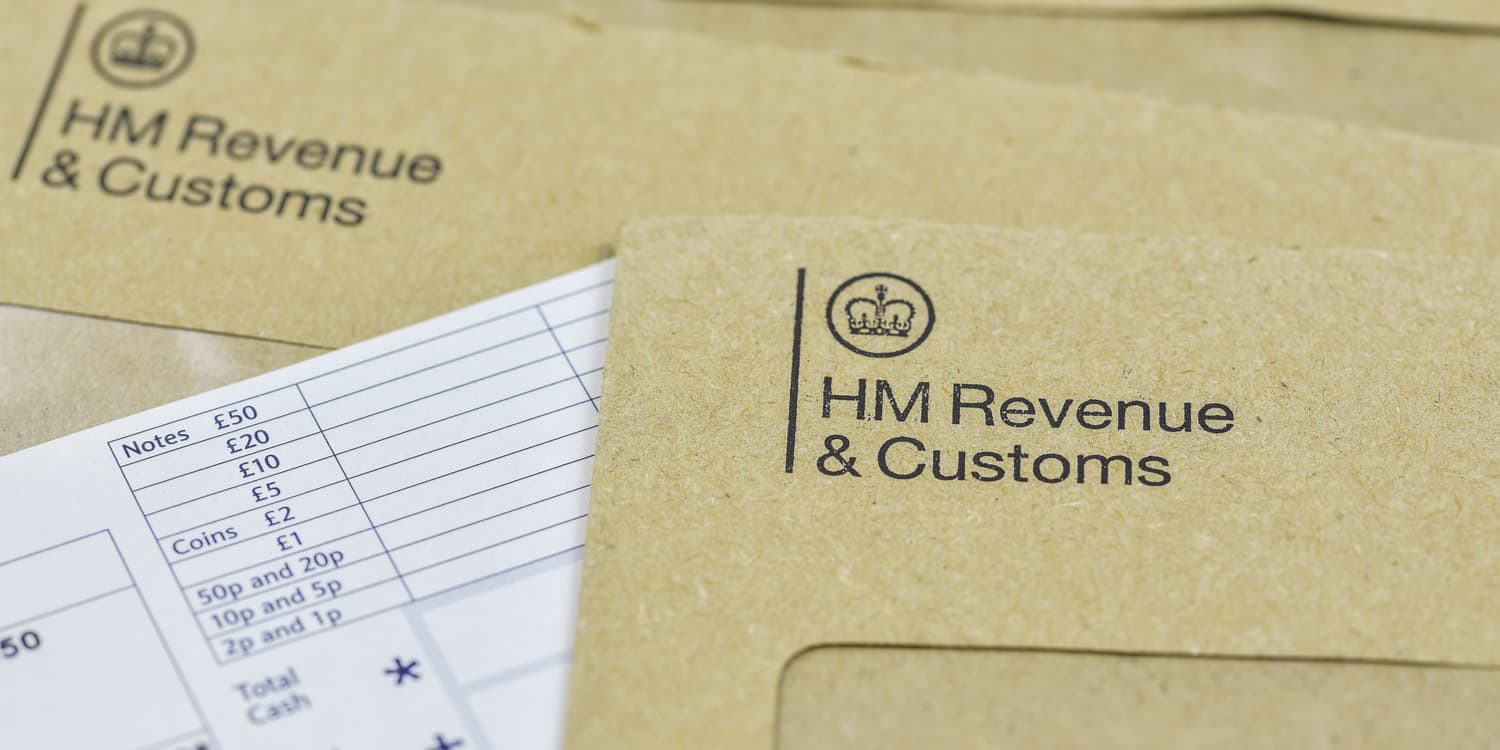

Choosing a registered office is one of the first decisions you’ll make when setting up a limited company. Using your accountant’s address is a popular choice. Plenty of small companies do it, and it isn’t a mistake in itself.
But it comes with trade-offs worth understanding before you commit. Read on to learn what the law requires, why the practice is common, and what can go wrong.
Key takeaways
- You can use your accountant’s address with their permission, as long as it meets the Companies House “appropriate address” rules.
- Unless your accountant offers a formal registered office service, there may be no agreed process for forwarding your post.
- The legal duty for your filings remains yours, and so does any penalty for missing one.
- If you leave your accountant, you’ll usually lose the address and need to file a change with Companies House.
What is a registered office address?
Your registered office is your company’s official address, and it’s far more than somewhere to receive post, because it’s:
- Where your company is legally based, which is why people sometimes call it your legal headquarters.
- Where Companies House, HMRC, and the courts send official letters and legal documents.
- The default place to keep your company’s statutory records.
It’s also on the public record, and anyone can look it up on the Companies House register.
It doesn’t have to be where you trade, and for many companies, it isn’t. A registered office address can be your home, your accountant’s office, or a provider’s address service, if it meets the legal requirements.
The legal requirements for a registered office address
Your chosen address needs to meet a few legal requirements.
It must be an “appropriate address”
Since 4 March 2024, under the Economic Crime and Corporate Transparency Act 2023, your registered office must be:
- An address where documents can be delivered to someone acting for the company.
- Where receipt of those documents can be acknowledged.
An accountant’s office can meet that test, but it doesn’t pass automatically just because it’s an accountant’s.
It can’t be a PO Box
A PO Box doesn’t meet this test, because no one there can acknowledge receipt for your company.
It must match your jurisdiction
Your registered office must remain in the UK jurisdiction where your company was incorporated. That means England and Wales, Wales only, Scotland, or Northern Ireland.
You can move the address anywhere within that jurisdiction, but you can’t move it to another.
You need permission to use it
You must receive permission before using someone else’s address, including your accountant’s or solicitor’s. Your accountant may record this in their engagement letter. They don’t need to offer a formal registered office service – their permission is enough if the address meets the rules above.
Your register of members must be available for inspection
This requirement is much narrower than it used to be. Since 18 November 2025, companies no longer have to keep their own registers of directors, directors’ residential addresses, secretaries, or people with significant control (PSCs).
However, you must still keep your register of members available for inspection, either at your registered office or at a single alternative inspection location (SAIL). Unlike your registered office, which is your company’s official address, a SAIL address is an optional second location for keeping company records available for inspection – we cover it below.
What happens if your address isn’t appropriate
Companies House can move your registered office to a default address and give you 28 days to supply an appropriate one, with evidence of your link to it.
Miss that deadline, and Companies House can start the process to strike your company off the register. Failing to maintain an appropriate registered office is also an offence.
How to change your registered office
You submit form AD01 to Companies House, either online or on paper. The change takes effect once Companies House registers it, not when you send the form.
For 14 days after that, anyone can still validly serve documents on your company at your old address. Under section 87 of the Companies Act 2006, they count as delivered to your company even if nobody forwards them.
This is a real risk if you’ve just left your accountant. For example, someone could send a court claim to their office, and you could still be expected to respond on time.
Why do companies use their accountant’s address?
For some companies, using their accountant’s address is practical.
Your accountant already deals with HMRC, tax returns, and annual accounts, so much of the official correspondence the company receives is relevant to them anyway. There are three main reasons directors often default to this arrangement.
It takes routine admin off your plate
HMRC or Companies House may send a filing reminder, a tax notice, a request for information, or a letter that needs a response by a particular date.
Your accountant can read it, judge what it means, and decide what to do next. If they can handle it themselves, they will. If they need something from you, they’ll ask. That saves you from opening every official letter, working out who should deal with it, and passing it on.
They can act on whatever arrives
Not every official letter deserves the same level of attention. Your accountant should be able to tell a routine notice from a letter that needs action. They’ll usually know when HMRC expects a reply and how long you have. They can prioritise and contact you to deal with any pressing issues.
You already trust them
You’ve chosen this firm to handle your accounts and your taxes. Handing them your post feels like a small step, and it keeps your compliance in one place.


The risks of using your accountant’s address
Using your accountant’s address can be convenient, particularly if you want to keep your home address private. But it also means relying on a third party for an important part of your company administration, and that comes with a few practical risks.
1. Loss of control
If your accountant’s office is your registered office, correspondence from Companies House, HMRC, and other public bodies goes to them before you see it.
So, you’re relying on their process for opening it and passing it on. If that process is slow or informal, important correspondence may reach you later than it otherwise would, leaving you less time to respond.
In a busy practice, letters can also get mislaid.
2. Accountants aren’t mail handlers
Some accountancy firms offer a proper registered office service with a defined process for forwarding post. Others allow clients to use the address without a formal process behind it.
Unless your engagement specifically covers registered office mail, don’t assume there’s a process behind it or any commitment on how quickly post reaches you. Check your engagement letter or other terms and conditions. If it doesn’t mention mail handling, nobody has promised you anything.
3. Not all mail is relevant to your accountant
Your accountant will only need to act on some of the correspondence sent to your registered office. Anything outside their remit may receive less attention.
That creates a risk that an important filing reminder, legal notice, or regulatory update could be missed, with potentially serious consequences for you and the company.
4. Reliance on a third party
It’s risky to rely on your accountant to notify or remind you of filing deadlines, reporting obligations, and other duties that fall on you as a director. The legal responsibility remains with you, so you need your own way to track deadlines.
5. Lack of independence
If you decide to change your accountant at some point, you’ll have to change your registered office address at Companies House. You’ll also need to update your registered office details on your website and all your business stationery, which takes time.
6. A costly service
Using your accountant’s address as your registered office often isn’t free.
The cost of handling your mail may be built into their fees, even if it isn’t listed separately. Some charge a separate fee on top, so check before you agree.
Can you keep company records with your accountant without sending them your post?
If your accountant maintains your register of members as part of their company secretarial work, you don’t necessarily need to use their address as your registered office. You can use it as a SAIL instead.
A SAIL address is a separate location where certain statutory company records can be kept and made available for inspection. You can have only one at a time; it must be in the same UK jurisdiction as your registered office, and you must register it with Companies House using form AD02.
Your registered office remains the company’s official address, so statutory mail will continue to be sent there. This lets your accountant keep the records they manage while you retain control over where official post is sent. But the same reliance risks apply to your records, and you might prefer to retain complete control of your register of members.
- New rules for registered office addresses – from 4 March 2024
- The SAIL address explained
- 5 reasons not to use your home address as a registered office
The alternative: a dedicated registered office service
A dedicated registered office provider is worth considering. Handling company post is their core business, not a side task.
You get your post first and decide what your accountant or solicitor needs to see. Your address also doesn’t depend on any one adviser. If you switch accountants, bring bookkeeping in-house, or move premises, it doesn’t change.
With our London Registered Office Address Service, you get a Covent Garden address with professional mail handling. We scan all statutory mail from UK government bodies and court documents and email it to you within one working day, at no extra cost. You can read your scanned letters in your online account, and add our Service Address or Business Address as separate options.
Which option is right for your company?
Your accountant’s address may make the most sense if your relationship with them is long-standing and stable. It also suits you if most of your post is tax correspondence they’d handle anyway.
A dedicated service may make more sense if you want to read your own post first. It also keeps your registered office independent of your accountant, in case you decide to change them.
If that sounds like the better fit, our London Registered Office Address Service gives you a professional London address from £39 +VAT a year.





Join The Discussion