
6. Managing money & tax
Staying on top of your finances is key to running a successful business. But many new founders lack experience managing complex financial and tax considerations, which can take attention away from growing their business and risk penalties if handled incorrectly. 1st Formations' in-depth guides to managing money and tax explain everything you need to know, including how to manage bookkeeping, pay yourself as a director, file annual accounts, and meet core tax obligations.
Articles & Guides
Expert tips and guidance on managing your company’s finances and taxes, to help you run a more financially healthy business.

How to pay yourself in dividends and salary as a director
Find out how company directors can pay themselves through salary and dividends, and what to consider for tax efficiency.

Written byGraeme Donnelly
10 minutes

What is Making Tax Digital?
Discover what Making Tax Digital is, who needs to comply, and how it changes tax reporting for UK businesses and self-employed individuals.

Written byNicholas Campion
6 minutes

Do I need a business bank account?
Understand when a business bank account is needed, why it matters, and how it helps with legal compliance and bookkeeping.
Written byGraeme Donnelly
7 minutes

How to manage bookkeeping as a small business
Learn how to manage bookkeeping for your small business, from record-keeping and reporting to choosing software and staying HMRC compliant.
Written byGraeme Donnelly
11 minutes
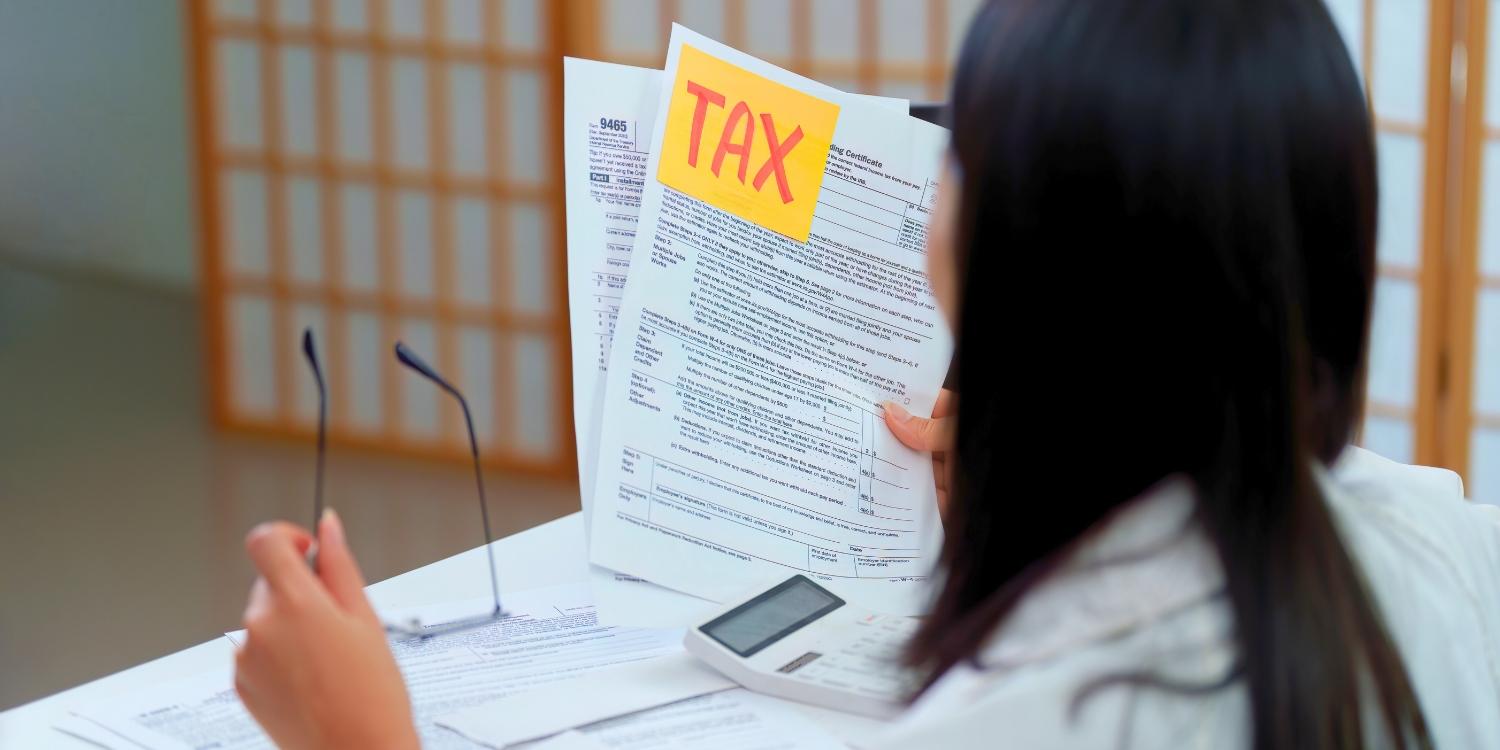
What tax does a limited company pay?
Explore the taxes UK limited companies must pay, from Corporation Tax to Dividend Tax, plus tips to reduce your tax bill legally and efficiently.
Written byGraeme Donnelly
8 minutes

What expenses are tax-deductible for limited companies?
Discover which business costs your limited company can claim as tax-deductible expenses and how to maximise your tax efficiency legally.
Written byGraeme Donnelly
10 minutes
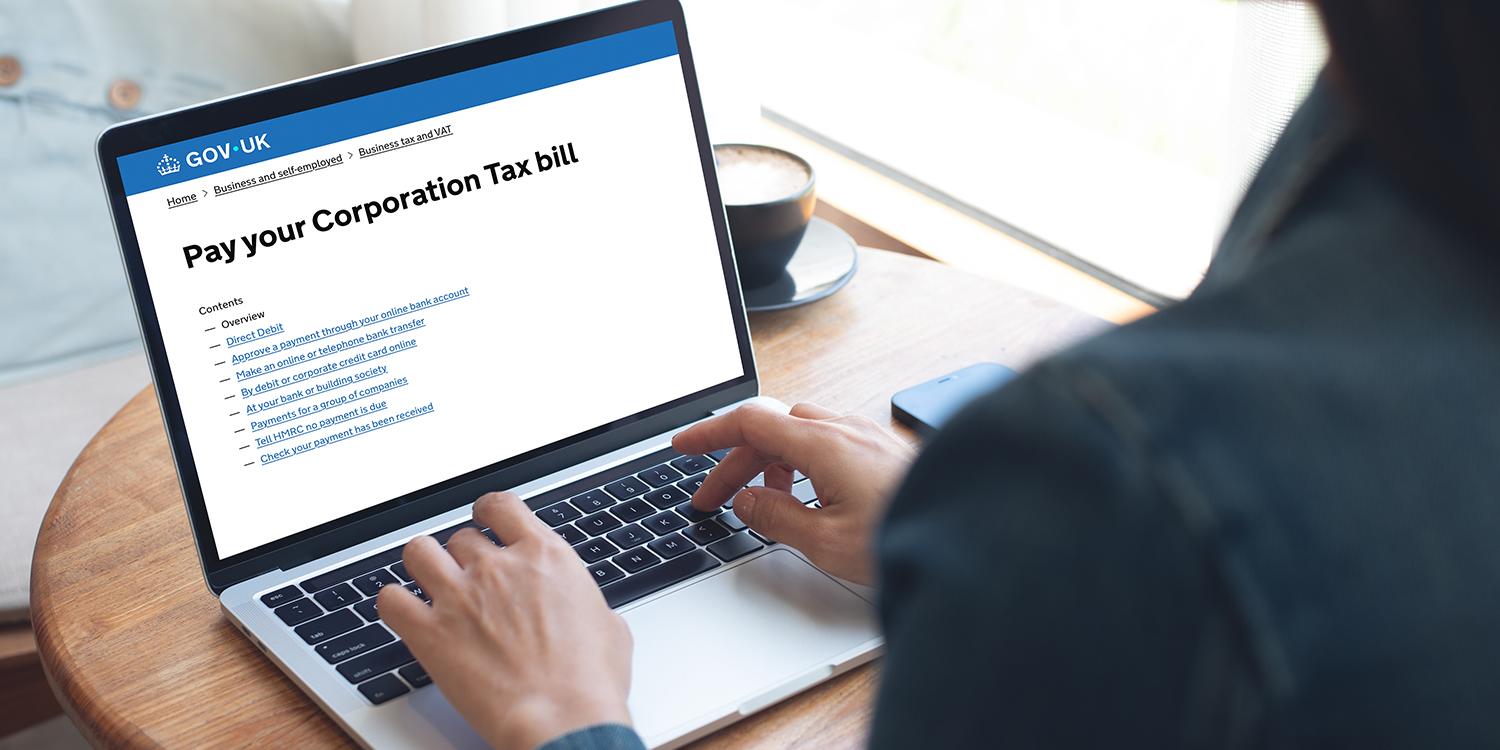
How to register for and pay Corporation Tax in the UK
Learn how to register for Corporation Tax, when to pay it, and how to stay HMRC-compliant from your company’s first trading year onwards.
Written byGraeme Donnelly
9 minutes

What is CT600? Understand your Company Tax Return
Learn what the Company Tax Return (form CT600) is, who must file it, what’s included, and how to avoid penalties by filing accurately and on time.
Written byGraeme Donnelly
8 minutes

How to file your company's annual accounts
Understand your legal duty to file annual accounts, what to include based on company size, and how to submit them to Companies House on time.
Written byNicholas Campion
10 minutes

When and how to register for VAT (UK)
Understand when VAT registration is required in the UK, how to register correctly, and what it means for your business and tax compliance.
Written byGraeme Donnelly
12 minutes

Do dormant companies need to file tax returns?
Understand when a dormant company must file a Company Tax Return (CT600), how to notify HMRC, and the ongoing filing duties with Companies House.
Written byNicholas Campion
9 minutes

What is a UTR number and how do you get one?
Whether you're registering as self-employed or incorporating a limited company, here's everything you need to know about getting, using, and keeping track of your UTR number.
Written byNicholas Campion
14 minutes
All Categories
These resources are Category 6 of 6 in the Resource Hub. Explore the rest of the journey, from forming your company to running it day to day.
Watch helpful videos on startup advice
What are company dividends?

How do I pay myself as a director?

The most tax efficient way to take money out of a limited company
Ready to start your company?
We help entrepreneurs make smarter decisions. Our business solutions and services provide clear support, so you can build your company with confidence. Our All Inclusive Package has everything your business needs to start strong:
- Company formation
- Covent Garden registered office
- VAT registration
- Your own company secretary


Money & tax considerations for your business
- Whether you pay income tax or corporation tax
- Business set-up and running costs
- If you need to register for VAT
- Whether you'll pay yourself a salary or dividends
- National Insurance contributions for you and employees
- If you can claim business expenses and allowances
- Whether you need to file annual accounts
- If you're liable for business rates or rent
- Access to tax reliefs (e.g. R&D, Employment Allowance)
- Whether you need an accountant or bookkeeping software

Our founder’s startup story
Learn more about Graeme Donnelly, CEO and founder of 1st Formations, and how his entrepreneurial journey began.
Read Graeme’s StoryExplore useful articles from our blog on managing money & tax
How to pay myself from a limited company
The most tax-efficient way to pay yourself from a limited company is to take a small director’s salary through PAYE, supplemented by dividends, while also claiming allowable expenses and utilizing tax reliefs to minimize overall tax liabilities.

Do I need accounting for my small business? Benefits and timings for new founders
Choosing the right accounting support after forming your company can save time, reduce stress, and help your business stay compliant from the start. While hiring a traditional accountant is an option, many new businesses can benefit from the essential accounting services offered by accountants who specialise in the needs of new businesses. This guide explains when you may need professional accounting support, the advantages of using a formation agent for ongoing accounting services, and how early financial guidance can help your business grow with confidence.
Frequently Asked Questions
Do I need to register for VAT?
You must register once your taxable turnover exceeds £90,000 in a 12-month period. Check current figures, as this can change with new tax years. You can also register voluntarily below that if it suits your business.
Should I pay myself a salary or dividends?
Many limited company directors take a mix of both, a small salary (often up to the National Insurance threshold) plus dividends, as this can be more tax-efficient. The right balance depends on your income level and current tax rates.
What expenses can I claim as a business?
Generally, anything used exclusively for your business, such as office costs, travel, equipment, some home-working costs, and professional fees. Personal expenses or a mix of personal/business use (like a car) need careful consideration when claiming.
Do I need an accountant?
Not legally required, but many businesses use one to ensure accurate filing, claim all eligible reliefs, and avoid HMRC penalties. Sole traders with simple finances sometimes manage alone using bookkeeping software.
What happens if I miss a tax deadline?
HMRC typically charges penalties and interest on late filing or payment, increasing the longer it's overdue. If you're struggling, contacting HMRC early can sometimes help arrange a payment plan.