
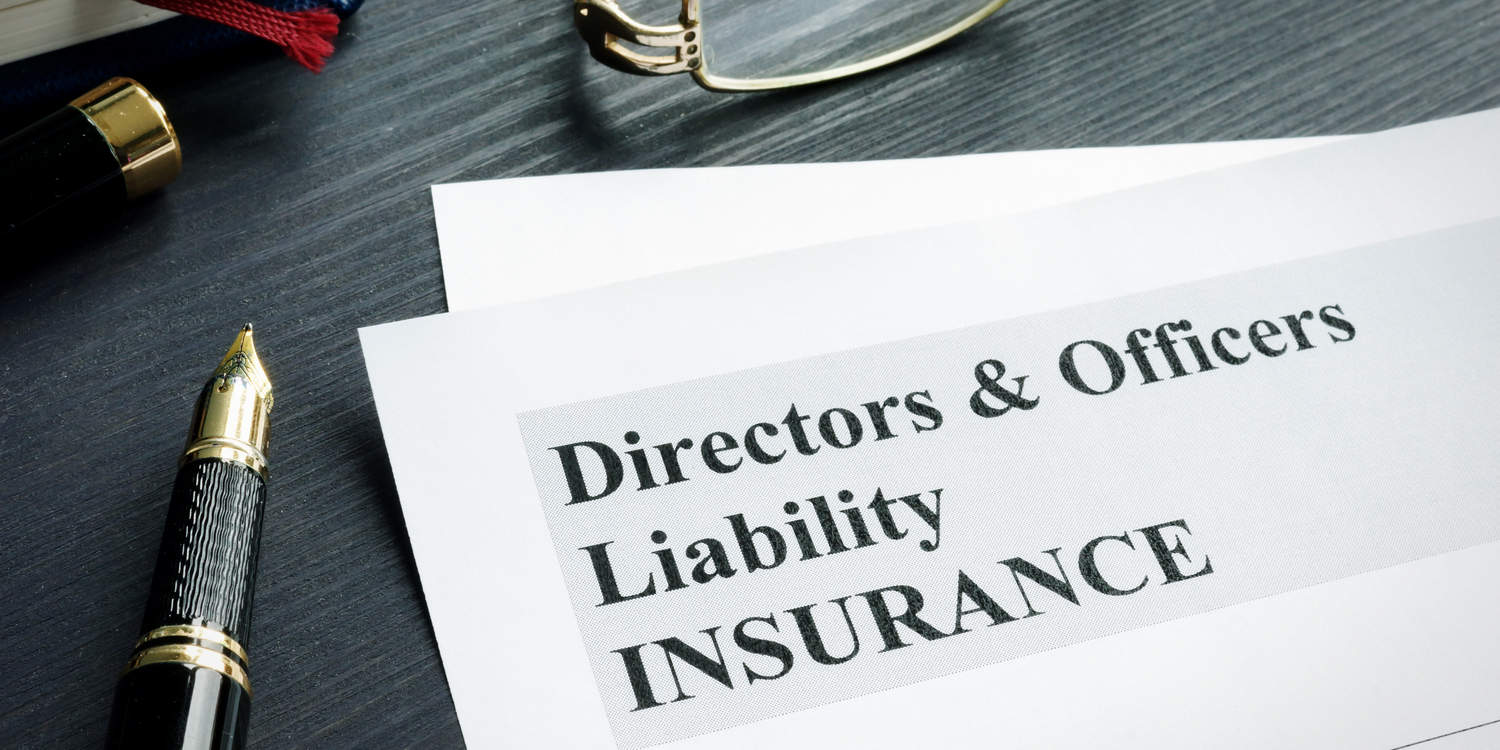


Company directors have several legal duties and responsibilities. If they fail to meet these obligations or act unlawfully, they can be disqualified from the role and may face criminal prosecution. Obtaining company directors’ insurance provides a level of protection and the ability to mount a defence if any claims are made against the individual in the course of running a company.
Key takeaways
- Directors must comply with their legal duties to avoid disqualification and potential criminal prosecution.
- Directors’ and Officers’ Liability Insurance protects against claims arising from alleged wrongful acts in company management.
- D&O insurance does not cover proven fraudulent or criminal conduct, emphasising the need for ethical leadership.
What are the responsibilities of company directors, and what is a wrongful act?
Directors are responsible for maintaining all company filings and record-keeping requirements. They must also comply with the general duties set out in Chapter 2 of the Companies Act 2006, which are:
- Duty to act within powers
- Duty to promote the success of the company
- Duty to exercise independent judgement
- Duty to exercise reasonable care, skill and diligence
- Duty to avoid conflicts of interest
- Duty not to accept benefits from third parties
- Duty to declare interest in a proposed transaction or arrangement
Breaching any of these duties constitutes a wrongful act. Additionally, the following may be considered to be wrongful acts:
- Breach of trust
- Error or neglect
- Misleading statements
- Wrongful trading
Alleged wrongful acts can potentially lead to civil or criminal prosecution.
What is company directors’ insurance?
Directors’ and Officers’ Liability Insurance (also known as D&O insurance) is generally designed to cover the cost of claims made against directors and other company officers (e.g., company secretaries) for alleged wrongful acts.
Civil compensation claims against directors may be lodged by shareholders, investors, employees, suppliers, or other third parties. Regulatory or criminal action may be taken for certain alleged behaviours, such as fraudulent trading.
D&O insurance covers the cost of defending any legal proceedings, as well as any compensation costs that may arise (unless these relate to fraudulent, dishonest, or criminal conduct that has been proven).
Please note: Company directors’ insurance policies vary; terms and conditions should be checked carefully.
What is normally covered by company directors’ insurance?
D&O insurance generally covers current, future, and past directors and officers of a company. Although it will depend on the specific policy, the types of claims which will normally be covered include:
- Claims from regulators, shareholders, or investors that a director has failed to act in the company’s best interest
- Claims made by employees personally against a director (e.g. that they failed in their duty in relation to employment practices)*
- Liability for company debts in the case of insolvency, etc.
- Disqualification and regulatory proceedings
- Other directors’ liabilities arising from claims of negligence, breach of duty, etc.
*Please note: Companies can also normally purchase Employment Practices Liability Insurance to cover claims made against the company, as opposed to an individual director (this is different to Employer’s Liability Insurance).


What is not covered by company directors’ insurance?
It is important to note that Directors’ and Officers’ Liability Insurance only covers claims made personally against specific directors for acts or omissions in their role as company directors. It does not cover claims made against the company as a whole.
D&O policies also exclude fraudulent, dishonest, or criminal conduct (although they will defend such claims which have not yet been proven).
Ready to get covered? Get a quote with Markel Insurance and enjoy 10% off your premium.*
You can also visit our Resource Hub to find out what other types of business insurance your limited company may need.
*1st Formations introduces customers to Markel Direct to discuss their business insurance needs. The 10% discount is subject to underwriting, eligibility and terms, and may be withdrawn at any time.



Join The Discussion